Jatai Academy Trend Connect Desktop Banner
Jatai Academy Trend Connect Mobile Banner

TREND CONNECT

Trend CONNECT puts 'what's new' together for you when it comes to the season's most current trend updates in fashion, hair design, make-up, skin care, nails and grooming products. From the runway to the red carpet, Trend CONNECT puts you in touch with what really impacts your world as a stylist, barber, nail artist or consumer.

SIGN UP FOR UPDATES
Filter

Product

The Pros and Cons of Acetone and Non-Acetone Nail Polish Removers

Product

The Pros and Cons of Acetone and Non-Acetone Nail Polish Removers

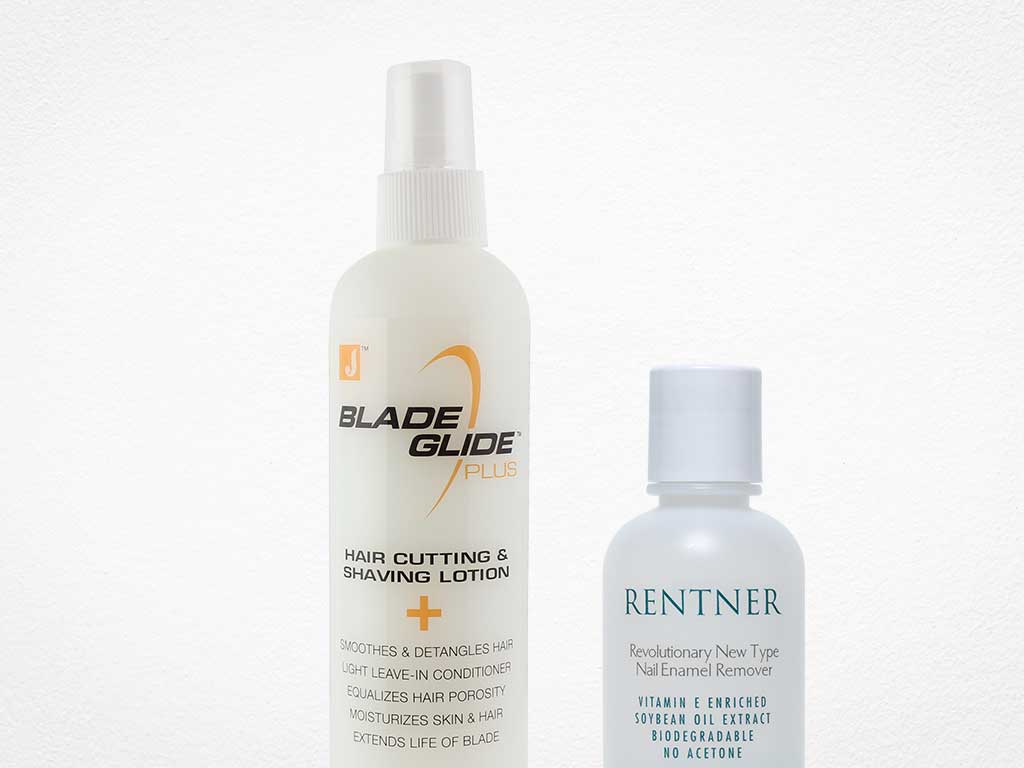
When it's time to remove your nail polish, you may be faced with a choice between acetone and non-acetone nail polish removers. Both options effectively remove nail polish, but they have different formulations and properties. Understanding the pros, cons, and differences between acetone and non-acetone nail polish removers can help you make an informed decision about which one is best for you. Acetone Nail Polish Remover Acetone is a strong and highly effective solvent commonly used in nail polish removers. Here are some pros and cons of using acetone nail polish remover.   Pros: Fast and Efficient: Acetone removes nail polish quickly, often requires less effort and few swipes Effective on Stubborn Polish: Acetone is particularly effective at removing dark or glittery nail polishes Suitable for Artificial Nails: Acetone can efficiently dissolve and remove acrylic or gel nails, making it a popular choice for individuals who wear artificial nails.   Cons: Drying and Harsh: Acetone has a drying effect on the nails and cuticles, which can lead to dryness, brittleness and peeling with repeated use. It can also strip the nails of their natural oils. Strong Odor: Acetone has a strong, pungent smell that some people may find unpleasant or overwhelming. Potential Skin Irritation: Acetone can cause skin dryness and irritation, especially if you have sensitive or dry skin. It is recommended to wash your hands thoroughly after using acetone nail polish remover. Respiratory Irritation: Breathing in large amounts of acetone can create respiratory symptoms such as nose, throat, eye and lung irritation. It can even cause a sore throat or cough. Toxicity: Isopropyl acetone can be toxic. When absorbed into the skin over a period of time, this can lead to organ toxicity. Long term exposure can potentially lead to kidney, liver and nerve damage. It can even lead to birth defects and male infertility.   Non-Acetone Nail Polish Remover Non-acetone nail polish removers are formulated with alternative solvents such as ethyl acetate, methyl ethyl ketone or propylene carbonate. Here are the pros and cons of using non-acetone nail polish remover.   Pros: Gentler on Nails and Cuticles: Non-acetone removers are generally milder and less drying compared to acetone removers. They are less likely to cause excessive dryness or damage to the nails and cuticles. Less Strong Odor: Non-acetone removers have a milder scent or none at all, making them a more suitable choice for individuals who are sensitive to strong smells. Suitable for Natural Nails: Non-acetone removers are safe to use on natural nails, as they are less likely to cause damage or weaken the nail structure. Less Toxic: While not nail polish remover is 100% safe, acetone-free nail polish remover is the safest option and least toxic.   Cons: Slower Removal: Non-acetone removers may require more time and effort to effectively remove nail polish, especially with dark or glittery shades. Less Effective on Artificial Nails: Non-acetone removers are not as effective at dissolving and removing acrylic or gel nails. They may require additional soaking or scraping to remove artificial nail coatings.   Conclusion Solvent Strength: Acetone is a stronger solvent than the alternatives used in non-acetone removers, making it more effective for quick and efficient polish removal. Drying Effects: Acetone has a more drying effect on the nails and cuticles compared to non-acetone removers. Smell: Acetone has a stronger odor compared to non-acetone removers, which typically have a milder scent. Compatibility with Artificial Nails: Acetone is effective at removing acrylic or gel nails, while non-acetone removers may require more effort or additional steps for artificial nail removal. Safety: Acetone nail polish remover is more toxic than non-acetone nail polish remover. If safety is an important factor, opt for acetone-free.   Both acetone and non-acetone nail polish removers have their advantages and disadvantages. Acetone removers are fast and efficient but can be drying and harsh on the nails and cuticles. Non-acetone removers are gentler and have a milder odor, making them a preferable choice for natural nails. However, they may require more time and effort for polish removal, and they are less effective on artificial nails. Consider your nail type, sensitivity, and the type of nail polish you typically wear when choosing between acetone and non-acetone nail polish removers. Product
Understanding the Allure of Japanese Nail Care Tools

Product

Understanding the Allure of Japanese Nail Care Tools

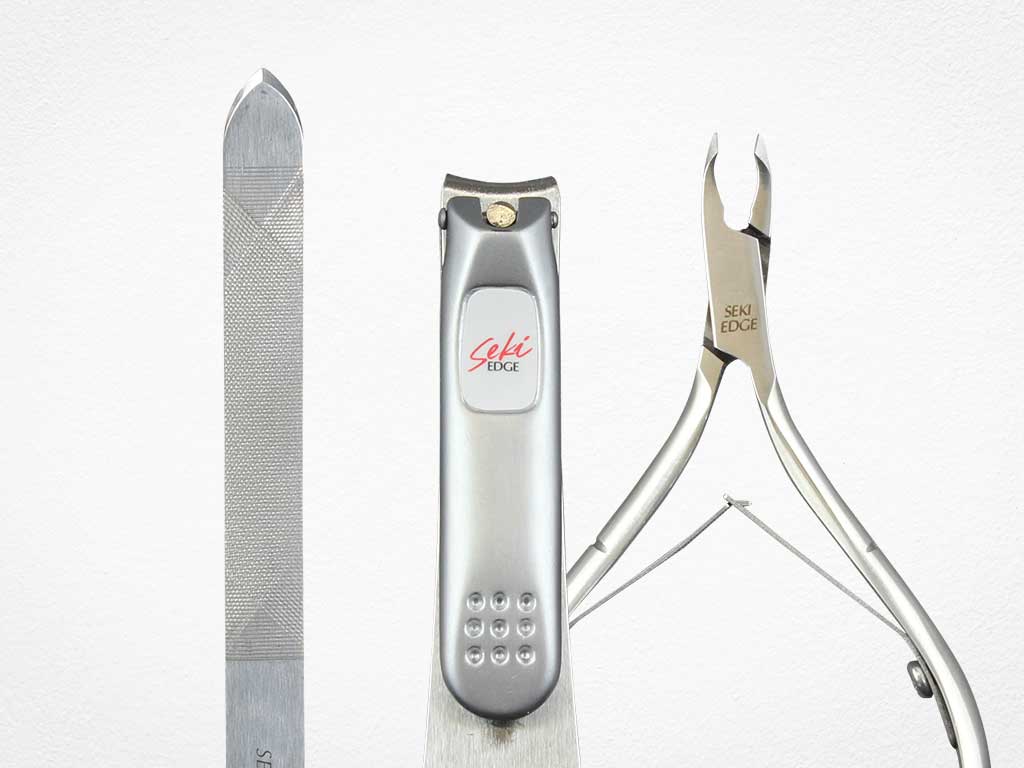
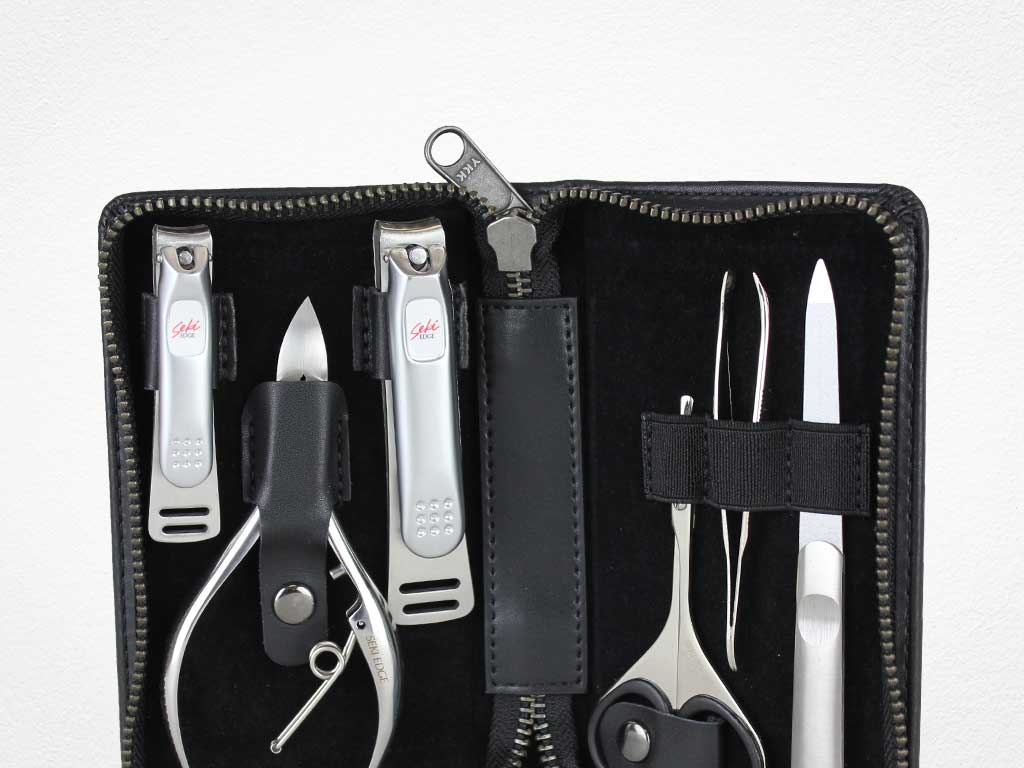
When it comes to achieving beautifully manicured nails, Japanese nail care tools are renowned for their precision, craftsmanship and attention to detail. With a rich tradition of nail art and an emphasis on nail health, Japan has become a global hub for innovative and effective tools that enable individuals to achieve salon-worthy nails in the comfort of their own homes. Let's explore the allure of Japanese nail care tools and how they can help you achieve perfectly polished nails. Why Japanese Nail Care Tools? Embraces Precision: Japanese nail care tools are designed with meticulous attention to detail. From nail clippers and files to cuticle pushers and nail nippers, these tools are crafted with high-quality materials and precise engineering. The sharp blades and ergonomic designs allow for precise and effortless nail shaping, ensuring a clean and professional finish. Japanese beauty tools are thoroughly tested for quality control to ensure they deliver excellent results.   Nail Art Innovation: Japan is renowned for its intricate and creative nail art designs. From delicate floral patterns to eye-catching geometric shapes, Japanese nail art tools have played a significant role in enabling nail artists to create stunning and intricate designs. Nail art brushes, dotting tools, and stamping plates are among the popular tools that offer unparalleled precision and control. These tools allow individuals to explore their creativity and elevate their nail art game.   Focus on Nail Health: Japanese nail care tools not only focus on aesthetics but also prioritize nail health. Cuticle nippers and pushers are designed to gently remove excess cuticles without damaging the nail bed. Nail buffers and polish correctors help maintain the integrity of the nail surface, ensuring healthier and stronger nails. Japanese nail clippers create sharp, clean cuts to keep nails at a decent length and help prevent jagged edges. Jagged edges can get caught on something and tear the nail. Nail nippers also help maintain health as they cut thick nails and keep them in check. Convenience and Portability: Japanese nail care tools are often designed with convenience and portability in mind. Compact and travel-friendly, they are perfect for those who prefer to do their nails on the go or during travel. From compact nail clippers to grooming kits, these tools make it easy to maintain and touch up your nails wherever you are.   Quality and Durability: Japanese craftsmanship is synonymous with quality and durability and nail care tools are no exception. Made from high-quality materials such as stainless steel, these tools are built to last. By investing in Japanese nail care tools, you can be confident that you are purchasing reliable, long-lasting tools that will stand the test of time. Japanese nail tools such as the brand Seki Edge take great pride in making sure they only create quality products that are useful and prized by their users. Japanese nail care tools offer a world of possibilities for achieving perfectly polished nails at home. From precision instruments for shaping and filing to innovative tools for nail art, these tools allow you to explore your creativity and maintain optimal nail health. Japanese nail care tools have captured the hearts of beauty enthusiasts worldwide with their focus on precision, durability and convenience. Home users feel empowered to achieve salon-worthy nails from the comfort of their own homes. It's time to embrace the allure of Japanese nail care tools and elevate your nail care routine to new heights.   Product, Nail Clippers, Nail Nippers
The Essential Eyelash Tools Every Beauty Enthusiast Should Have

Product

The Essential Eyelash Tools Every Beauty Enthusiast Should Have

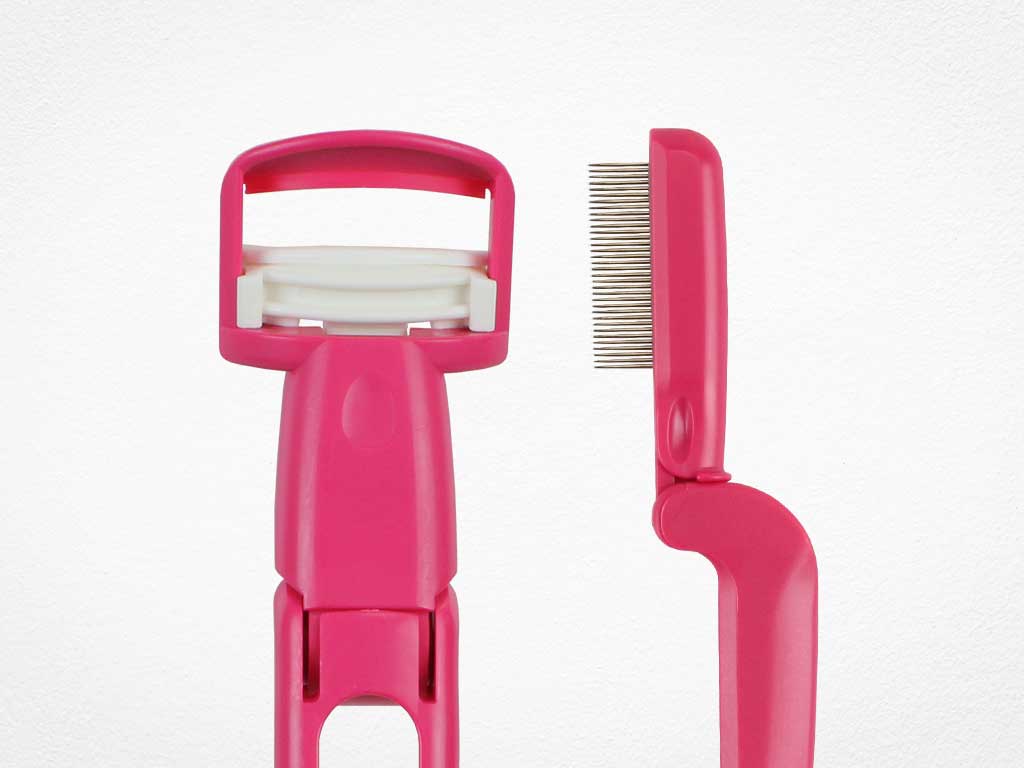
When it comes to achieving stunning and captivating eyes, eyelashes play a crucial role. They frame the eyes, enhance their shape and add that touch of glamour to any makeup look. Whether you're a makeup artist or simply a beauty enthusiast, having the right tools for your eyelashes is essential. From application to maintenance, these tools can make all the difference in achieving flawless lashes. Here are the most important eyelash tools that every beauty enthusiast should have. Essential Eyelash Tools Eyelash Curler An eyelash curler is a must-have tool for anyone looking to create a wide, open-eyed appearance. It helps to curl your lashes, making them appear longer and more voluminous. When choosing an eyelash curler, opt for one with a curved shape and soft silicone pad. This will ensure a gentle and precise curl without damaging your lashes. Remember to curl your lashes before applying mascara for the best results.   Eyelash Tweezers Eyelash tweezers are indispensable for applying false eyelashes or individual lash extensions. They allow for precise placement and prevent any mishaps. Look for tweezers with a pointed tip for accurate handling and a firm grip. These tweezers are also useful for removing any stray lashes.   Lash Applicator A lash applicator, also known as a lash tool or lash tweezer, is designed specifically for applying false eyelashes. It features a curved shape that mimics the natural curve of your eyelid, making it easier to position the lashes correctly. Lash applicators also offer a secure grip, ensuring that the false lashes stay in place throughout the day or night. With a lash applicator, you can achieve a seamless and professional-looking lash application.   Eyelash Comb An eyelash comb is an excellent tool for separating and defining your lashes. It helps remove any clumps of mascara or excess product, resulting in a more natural and polished look. A comb with fine metal teeth is ideal for both grooming and shaping your lashes. Use the metal teeth to comb through your lashes after applying mascara to remove clumps.   Essential but not Tools How can we discuss eyelashes and not mention mascara! A nice coat of mascara can do wonders for making eyelashes look thick, long and luscious. Use a mascara that's smudge-proof, waterproof and lasts all day. Do one or two coats for an extra thick eyelash appearance. And don't forget to also use it on the bottom lashes to get the full effect. If you're a fan of false eyelashes, a reliable lash adhesive is a must-have. Look for a high-quality adhesive that is long-lasting, waterproof, and dries clear. It should also be gentle on your natural lashes and easy to remove. A good lash adhesive will ensure that your falsies stay put throughout the day without any embarrassing mishaps. While not a tool in the traditional sense, an eyelash growth serum is an essential addition to your lash routine. These serums are formulated with ingredients that promote lash growth and strength, resulting in longer and healthier lashes over time. Apply the serum to your lash line daily, and within a few weeks, you'll notice a visible improvement in the length and thickness of your lashes. Having the right tools can make a world of difference in achieving stunning eyelashes. From curling to application and maintenance, these essential eyelash tools will help you create beautiful, fluttery lashes that enhance your eyes and complete your makeup look. Invest in high-quality tools and products to ensure that your lashes always look their best. With the right tools at your disposal, you'll be able to achieve the lashes of your dreams.   Product, Eylash Curlers
A Razor that Shaves with the Contour of the Face

Product

A Razor that Shaves with the Contour of the Face

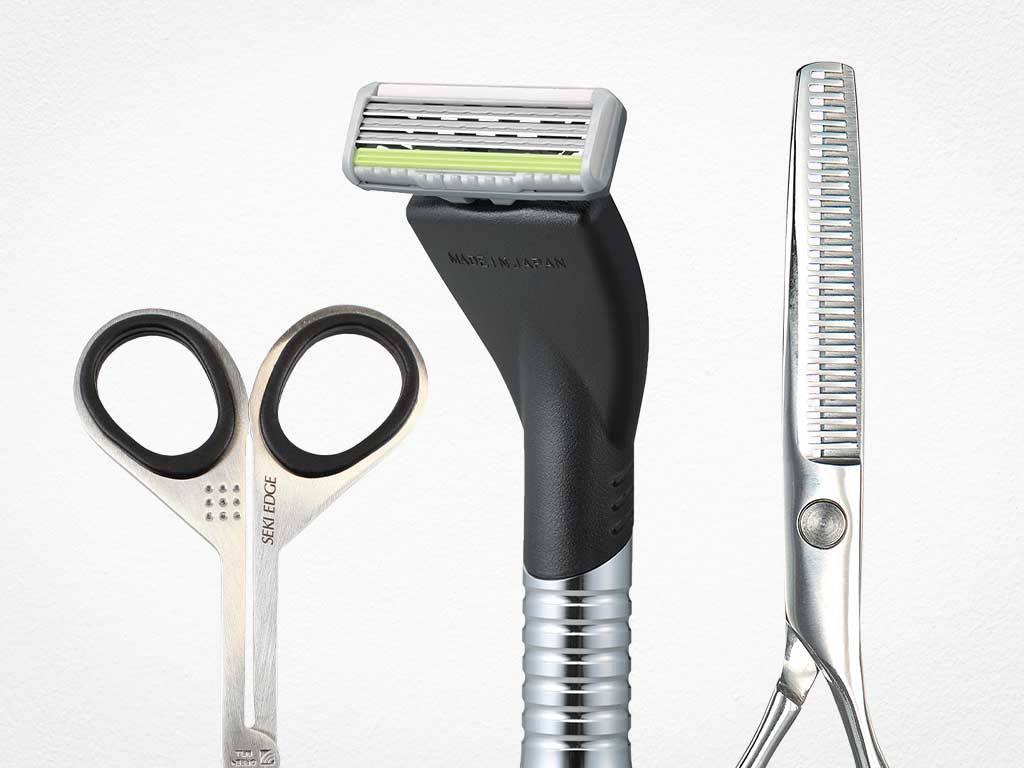
The Feather F3 Razor is a remarkable addition to Feather's lineup, offering exceptional shaving performance and innovation. Designed for the modern man who seeks convenience and efficiency, this razor combines modern technology with a sleek and ergonomic design. The Feather F3 Razor Features Innovative Flexing Head The Feather F3 Razor features a flexing head that pivots effortlessly to follow the contours of your face, ensuring maximum contact with the skin for a close and precise shave. This dynamic movement adapts to the unique angles and curves, resulting in an irritation-free experience. Since the flexing head effortlessly glides over the contours of your face it minimizes the need for multiple passes and reduces the risk of skin irritation. One Push Blade Release Changing blades has never been easier with the Feather F3 Razor. With a simple push of a button, the blade is released, allowing for swift and seamless replacement. This feature saves time and eliminates the need to handle sharp blades directly.   Guard Bar for Added Safety The F3 Razor incorporates a guard bar that helps to protect the skin from accidental cuts. This added safety measure gives users peace of mind, especially when navigating tricky areas.   Non-Slip Handle The ergonomic handle of the Feather F3 Razor is designed with a non-slip texture, ensuring a secure grip even in wet conditions. This feature enhances control and minimizes the risk of slips or drops during shaving.   Compatible with Feather F-System Blades The Feather F3 Razor is compatible with Feather's F-System blades, renowned for their sharpness and precision. These blades are easy to find and widely available, ensuring a hassle-free replacement process. The F-System Blades include the F3 blade, MR3 blade and F2 Blade. You can read more about these blades here. The Feather F3 Razor exemplify Feather's commitment to exceptional craftsmanship, innovation, and delivers an unparalleled shaving experience. The modern convenience and flexibility of the Feather F3 Razor offers unique features and benefits that elevate the art of shaving to new heights. Whichever you choose, you can trust Feather to provide a superior grooming experience that meets the highest standards of quality and performance.   Product, Cartridge Razors, Shaving Razors
A Simple Guide to Tweezer Types, Uses and Features

Product

A Simple Guide to Tweezer Types, Uses and Features

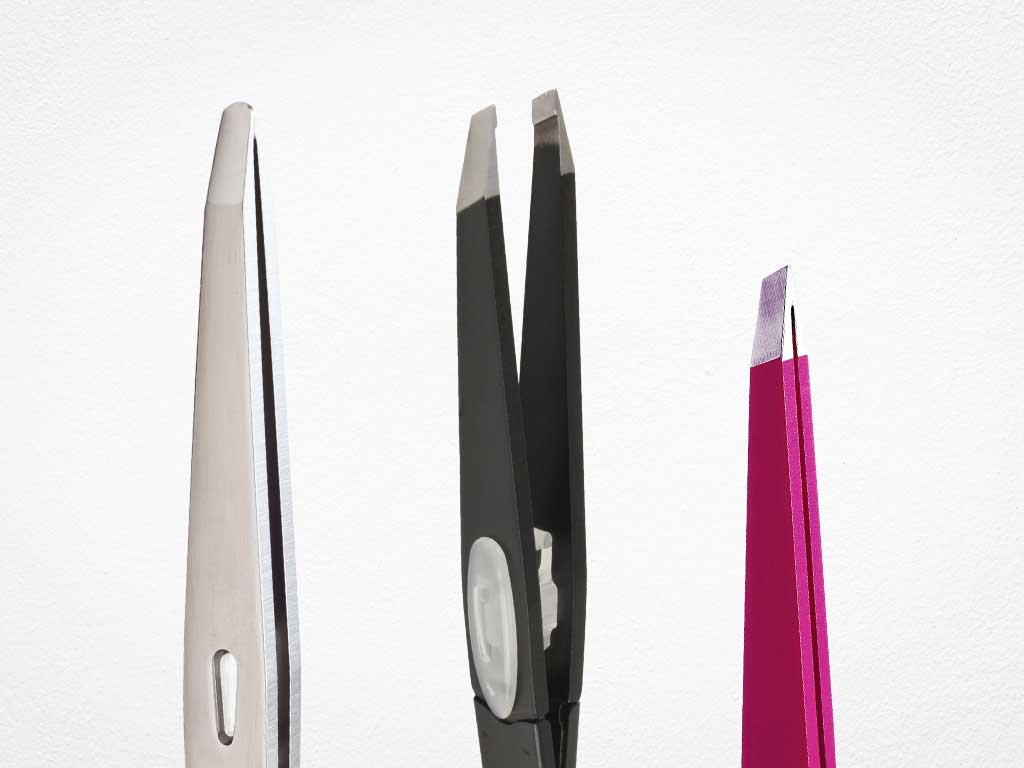
Tweezers are versatile and indispensable tools that have been used for centuries for a wide range of purposes, from personal grooming to intricate tasks in various industries. These small, handheld devices have evolved over time, and today, there are numerous types of tweezers available, each designed for specific uses. Here is a simple guide to the different types of tweezers, their uses and the key features to consider when choosing the right tweezers for your needs. Types of Tweezers Slanted Tweezers Slant tweezers are the most common type and have a slanted tip that is perfect for general grooming tasks such as plucking eyebrows or removing small hairs. The slanted tip provides precision and control, making it easier to grab and remove hair from the root.   Pointed Tweezers Pointed tweezers have a sharp, pointed tip that allows for highly precise tasks. They are ideal for tasks that require accuracy, such as removing splinters, ingrown hairs, or for detailed crafting and jewelry work.   Flat Tweezers Flat tweezers have a flat, wide tip that makes them suitable for gripping larger objects or holding items in place. They are commonly used in electronics, medical procedures, or when handling delicate materials like fabrics or papers.   Rounded Tweezers Rounded tweezers, as the name suggests, have a rounded tip. They are often used in medical and cosmetic procedures that require gentle handling, such as applying false eyelashes or removing contact lenses. They are also great for those who have sensitive skin or need to take extra care not to poke themselves such as diabetics.   Curved Tweezers Curved tweezers have a curved tip, making them ideal for accessing hard-to-reach areas or for tasks that require a specific angle, like removing splinters or working with small electronic components.   Uses of Tweezers Grooming Tweezers are widely used for grooming purposes, particularly for shaping eyebrows, removing unwanted facial or body hair, and maintaining a neat appearance. Slant tweezers are the go-to choice for eyebrow maintenance, allowing for precise plucking and shaping.   Medical Procedures In the medical field, tweezers play a vital role in various procedures. Pointed tweezers are used for removing foreign objects, splinters, or debris from wounds. Rounded and curved tweezers are commonly used in surgical procedures or for delicate tasks such as suturing.   Crafting and Jewelry Tweezers are invaluable tools for crafting and jewelry-making enthusiasts. Pointed tweezers are perfect for picking up small beads, stones, or other tiny components, while flat tweezers provide stability and control when working with delicate materials.   Electronics and DIY When working with small electronic components or performing DIY repairs, tweezers are essential for precise handling. Flat or curved tweezers are often used to place or position components, while pointed tweezers can assist in tasks such as soldering or circuit board repair.   Features to Consider Material Tweezers are typically made from stainless steel or titanium which offer durability and resistance to corrosion. Stainless steel tweezers are more affordable, while titanium tweezers are lighter and more resistant to staining or discoloration.   Tip Alignment Ensure that the tweezer tips align properly and meet precisely when closed. This is crucial for accurate gripping and plucking without causing discomfort or damage.   Grip and Comfort Look for tweezers with an ergonomic design and a comfortable grip. Some tweezers feature a textured or rubberized handle, providing better control and reducing hand fatigue during prolonged use.   Spring Mechanism Some tweezers come with a built-in spring mechanism that helps reduce hand strain and fatigue. This can be especially useful for individuals who require repetitive or extended tweezing sessions. The Seki Edge Amazing Tweezer has a unique spring technology that transfers strength from the hands to tweezer tips to prevent hand fatigue.   Maintenance Consider the ease of cleaning and maintenance. Tweezers should be easy to sanitize and keep hygienic, particularly if they are used for medical or personal grooming purposes. Tweezers are versatile tools that serve multiple purposes in various fields. By understanding the different types, uses, and key features, you can choose the right tweezers for your specific needs. Whether it's grooming, medical procedures, crafting, or electronics, having a reliable pair of tweezers in your toolkit will undoubtedly prove invaluable in countless situations.   Product, Tweezers
The Feather Butler Razor: A Different Kind of Cartridge Razor

Product

The Feather Butler Razor: A Different Kind of Cartridge Razor

When it comes to shaving, finding the perfect razor is essential for achieving a smooth, comfortable, and irritation-free experience. Feather, a renowned Japanese company known for its high-quality shaving products, has introduced this exceptional razor that has gained popularity among shaving enthusiasts worldwide: the Feather Butler Razor. Let's delve into what makes this razor unique and an impressive grooming tool. The Feather Butler Razor is a true masterpiece that embodies elegance, precision, and functionality. Crafted with meticulous attention to detail, this razor combines classic design elements with cutting-edge technology to deliver an unmatched shaving experience. Let's take a look at the Butler's unique features.   The Feather Butler Razor's Unique Features Artisanal Design The Feather Butler Razor features a timeless design with a stainless steel handle that exudes luxury and sophistication. It has a heavier weight than most cartridge razors which allows the razor to do the work. It has an ergonomic shape allowing for precise control during shaving. And the horizontal grooves along the handle provides a comfortable grip. It's free standing so it can take up less space when sitting on the counter or in the medicine cabinet. And lastly, the handle is short for greater control. This razor is not short of design features (no pun intended) which aid in a superior shaving experience.   Uses 3 Different Blades The Feather Butler Razor uses F3, MR3 Neo and F2 blades which allows you to pick the best blade to meet your shaving needs. The blade replacement process is quick and straightforward, ensuring a consistently smooth and effortless shave. The F3 blade is a triple blade cartridge with a wavy guard built into each blade. This helps reduce pressure on the skin and makes it great for reducing irritation and razor burn. Perfect for sensitive skin, each blade has its own suspension so it can ride smoothly over the skin. The blades also feature SiC ceramic coating technology for durability and comfort. It comes in a 4 or 8 pack. The MR3 Neo Blade is also a triple blade cartridge. It features a semicircular guard and provides the closest shave out of the 3 F-System blades. It also features a metal roller for a close and comfortable shave. This blade is more aggressive than the F3 Blades. It comes as a pack of 9 blades. The F2 Neo Blade has 2 blades. It's best for someone looking for a more economical blade choice. With sharp edges and thin blades and a one push cleaning feature, this blade does the job for less. It comes in a 10 pack.   Adjustable Head Movement This razor allows users to adjust the cartridge movement according to their preferences. By simply moving the switch between 'lock' and 'free' on the handle, you can customize the blade's maneuverability. When set to 'lock' the cartridge head locks in place for more controlled shaving such as around facial hair. When sent to 'free' the cartridge moves with the angles of the skin.   Luxurious Presentation The Feather Butler Razor comes in a beautifully crafted presentation box, making it an ideal gift for any grooming enthusiast or a stylish addition to your shaving collection. The Feather Butler Razor has unparalleled precision. The impeccable craftsmanship and unique design make this razor a great choice for addressing all areas of the face, even challenging areas such as around facial hair and the neckline. It provides superior comfort coupled with the razor's balanced weight distribution. With a gentle and comfortable shaving experience the reduction in pressure minimizes skin irritation and razor burn. The Butler is durable and long-lasting where each blade results in cost-effective shaving in the long run. And lastly, the Feather Butler Razor's unique adjustable blade movement feature allows users to customize their shave according to their needs. The razor's exquisite design and luxurious presentation box make it a desirable grooming accessory, elevating the shaving experience to a whole new level. As you can see, it's not your ordinary cartridge razor. The Butler takes into consideration many downfalls that other cartridge razors have and bundles it all in one razor. Check out the Butler Razor.   Product, Cartridge Razors, Shaving Razors
Cutting Your Hair at Home: Advice from Professional Hairstylists

Product

Cutting Your Hair at Home: Advice from Professional Hairstylists

During the pandemic salons and barbershops were forced to close for an extended period. This caused many people to find new ways of maintaining their hair. Whether it be cutting their hair at home or letting it grow out and run wild, trying something different was forced upon many people. Hair professionals, on the other hand, had to learn how to cope with the lack of income coming in and got creative with how they could use their skills to make some extra money. One of those ways was teaching people how to cut their hair at home. Fast forward a few years later, many people have gladly returned to the salon and barbershops for their favorite services and haircuts. But many have adapted a new hairstyle and others have figured out they can cut their hair at home or at least do maintenance between haircuts. Some people even found they could razor cut their own hair completely. One might think that razor cutting your own hair is scary in fear of cutting off too much or cutting it wrong. There’s also the fear that razor cutting hair will leave hair frayed with split ends. This fear is valid but with a little knowledge this fear can easily be overcome. We asked some professional hairstylists if they could provide some tips for home users who want to get better at cutting their hair at home. Here’s what they had to say…   Gregory Patterson Gregory is a hairstylist based out of NYC. He’s a global educator and a celebrity brand ambassador. His IG is filled with quirky videos, haircutting tips and he always seems to be having fun! We asked him for 3 tips he could give for cutting hair at home. Here’s what he said.   1) PREP is EVERYTHING Especially when it comes to using the Feather Styling Razor at home, you want to use great tools in your hair that allows for an easy “slide and glide.” This not only helps you brush through any kinks or knots but also provides a perfect pairing when sliding your Feather Razor down the hair strands. USE A SUPER SHARP RAZOR BLADE!  You can get a couple uses out of your razor blade but use a freshie every time if possible. This creates clean sharp hair ends, avoids drag and helps to eliminate frizz and split ends. To eliminate frizz, you can use leave-in treatments, creams or oils that are right for your hair type and texture.   2)  Dry vs Wet Haircutting There has always been a debate about razor haircutting on dry hair vs. wet hair. Here’s my take… Call me controversial and a rule breaker (I’ve never been one to do things just one way), but I love to use my Feather Razor on both wet hair AND dry hair, especially when it comes to cutting your own hair. If you aren’t technically trained and don’t have a great understanding of hair physics, many things can go wrong when cutting wet hair. I always say “wet hair lies, dry hair truths.” Wet hair can bounce back, shrink up, group curls with strong hair growth patterns and create holes or imbalance in your finished shape. With dry hair (and specifically cutting your dry hair at home) it’s much easier to navigate the map. You see exactly what happens to the hair immediately. Whether you wear your hair air dried or blow dry it and style it, dry haircutting should be done after it’s in its final dried and/or styled state. So if you normally air dry your hair, wait until your hair is air dried and then dry cut it. And if you normally blow dry and style your hair, do that first, then dry cut it. If you always let your hair air dry (never or rarely blow dry it), dry razor hair cutting can give amazing results. You will see exactly where and what you want to take off, layer, texturize, and detail.   3)  “MORE means MORE” The MORE you lift the hair and cut, the MORE layering you create. Below is a great guide to follow to understand the effect you’ll get from lifting your hair at different “zones” and the layers that can be achieved. Cutting CLOCK GUIDE Remember, the higher you lift into a “time zone” the more layering you create, meaning the more hair you will remove. BEFORE you cut or slice the hair that’s in your hands, ask yourself every time “What time is it?” Is that the time you’re wanting? If so, go ahead and cut or slice the hair. If not, lift the hair higher or drop the hair lower and then cut your hair at this “time” all around your clock (head shape). So what are these time zones? Imagine a clock with the numbers 1-12 on it. Now apply this to your head where 6:00 is the floor and 12:00 is the top of your head. If you cut your hair between 6:00 (floor) and 9:00 (ear) your layering will land anywhere from your ears and below. This is minimal to moderate hair removal in terms of length and weight. Your hair will have movement and layering within that zone. Depending on how high you lift within this time zone, you will get soft layering that falls anywhere from your ear height and below. If you cut your hair between 9:00 (ears) and 12:00 (top of head), you will get moderate to maximum hair removal in terms of length and weight. The layers are dependent on what “time” you lifted the hair to. Hair will fall anywhere within the 9:00 to 12:00 zone AND 9:00 to 6:00 zone. If you elevate the hair from 6:00 all the way up to 12:00, all of the time markers will become touched (6:00, 7:00, 8:00, 9:00, 10:00, 11:00, 12:00). This is the maximum elevation which gives the maximum hair removal. Keep in mind that these time markers are in reference to the right side of the head. The same would apply to the left side of the head where the time markers would be 6:00, 5:00, 4:00, 3:00, 2:00, 1:00 and 12:00. It’s very important to establish what your end result looks like. Then, reverse engineer to determine which technique(s) you will need to achieve the desired shape, movement, layering and amount of weight removal. The main takeaways:   1) PREP is Everything. Use good quality tools and sharp blades. 2) Dry vs Wet Haircutting. It’s okay to dry cut (in my opinion) as you will see exactly where and what you want to take off. Just make sure it’s in the air dried or blow dried and styled state before dry cutting. 3) MORE means MORE. The higher you lift the hair before you cut, the more length and weight gets removed. The lower you lift the hair before you cut, the more length and weight stays on.  Use the Clock Guide to help determine how much hair removal you want to achieve.   Shay Mullins Shay is a hairstylist based out of Sacramento. She specializes in shags, mullets and creative haircuts. She has a cute, fun style about here that shows through her content. Every once in a while, you’ll see her razor cutting her own hair too! Here are her tips. 1. Never use a razor on dry hair.  You should only use a razor on wet hair because using it on dry hair will damage your hair and create split ends, leaving your hair looking and feeling frizzy and damaged. 2. Make sure you hold the hair you’re cutting taut. You should hold the hair taut to maintain control of the section you are cutting. Holding it loose can also create damage and frizz. 3. In this reel I’m removing internal weight from my hair so it looks less bulky without removing any length. I’m visually looking at my hair and seeing what looks heavy, grabbing those pieces and carving out anything that looks like it needed to go. If you do this at home be very mindful of what you’re cutting or you could accidentally cut into your length. After every carved-out piece I take, I then re-zhuzh my hair back into place to make sure it looks good.   Tiana Walter Tiana is a stylist who provides hair tips and tutorials on YouTube. She talks about her favorite products and gives some useful styling tips. She also uses a Feather Styling Razor.  Tiana’s content is educational and you can learn a lot from her in all areas of haircutting and styling. Here are her tips for cutting your hair at home. Cutting your own hair at home can be intimidating, but with the right tools and techniques, you can achieve a fresh new look and have some fun! As a hairstylist, I understand the importance of a good haircut and want to share three tips to help you successfully cut your own hair at home.   1. Invest in the right tools To achieve a professional-looking haircut, you need to have the right tools. This includes a pair of sharp scissors, a comb, and a hair clip. Avoid using kitchen or craft scissors as they can cause split ends and make it difficult to get a clean cut. A pair of hair cutting scissors will make the job much easier and ensure a smooth cut.   2. Cut your hair when it’s dry Cutting your hair when it’s wet may seem like a good idea, but it can actually be quite challenging. Wet hair is heavier and stretches when you comb it out, which can cause it to look longer than it actually is. This can lead to uneven or asymmetrical cuts when the hair dries. Cutting dry hair allows you to see the exact length and shape of your hair, ensuring a more accurate and precise cut.   3. Take it slow and steady When cutting your hair at home, it’s important to take your time and be patient. Start by washing and drying your hair, and then comb it thoroughly to remove any knots or tangles. When cutting, take small sections of hair and cut them one at a time. Don’t try to cut too much hair at once, as this can lead to uneven cuts or mistakes that are difficult to fix. Remember, you can always go back and cut more if needed, but it’s much harder to fix a cut that is too short. Before cutting hold the hair where it will “live” or land. Is this where you want the length to be? Take your time, take a deep breath and have fun! Cutting your own hair at home can be a fun and gratifying experience, but it’s important to approach it with the right mindset and tools.   Kelly Bird Kelly is a stylist and educator specializing in razor cutting. She loves to create shags, work with curls and natural texture, does non-toxic coloring and blonding and more. She is based out of Bellingham, WA. She offered some great tips. 1. Razor cutting works best when you have enough grow out to cut, at least an inch is ideal, less is doable once you have a bit more practice and understanding of the tool.Remember to step back and look at your work. We get up close in the mirror to see what we are doing when cutting our own hair so it’s important to take a couple steps back and really look at the shape. 2. Don’t start a home haircut when you are in a rush or have an event to be at. It just never works out well. 3. Take before and after photos for your own reference. It is so helpful to see the changes and take notes of what you do and don’t like. Adjust your technique next time. There are no rules despite what some people may tell you. We have all learned through trial and error. Wet hair, dry hair, small section, big section. Try different things and do what feels good to YOU! It’s your hair, you get to be an artist, and most importantly have fun doing it.   Megan Reid Megan is a hairstylist based out of Orlando, FL. She’s a lover of color services and does both scissor and razor cutting. She showcases some beautiful cuts and color on her Instagram page. She also chimed in with some tips on bang cutting. I love using the JATAI Feather Razor for cutting my own bangs! It’s perfect for taking off length and creating texture at the same time. My best advice would be to start with the hair wet, comb forward where you want to create your shape, and then start carving away! I choose to cut my bangs wet because I find the razor glides smoother through the hair. I will define it a little once the hair is dry with the razor as well! Another good tip is to always start with a new blade. Most importantly have fun! There’s so many cool shapes to create! Cutting your hair at home is best for in between maintenance. Whether it’s trimming bangs or adding in a few face framing layers, these can be done at home. But for full haircuts, it’s best to leave it up to a professional as they will have the proper techniques and skillsets to give you the haircut you want. Using a razor to cut your hair at home is easier to use than scissors simply because the cuts are less precise. With scissors, if you make a wrong snip it’s easily noticeable. Scissors are less forgiving. And as you can see, there is much controversy about cutting hair wet vs. dry.  If you’re looking to cut your hair at home which includes razor cutting, take some of the advice from professionals. Experiment a bit and see what works!   Product, Haircutting Razors, Tips & Techniques, Hair Trends
The Feather Nape & Body Razor: A Razor that Stands Alone

Product

The Feather Nape & Body Razor: A Razor that Stands Alone

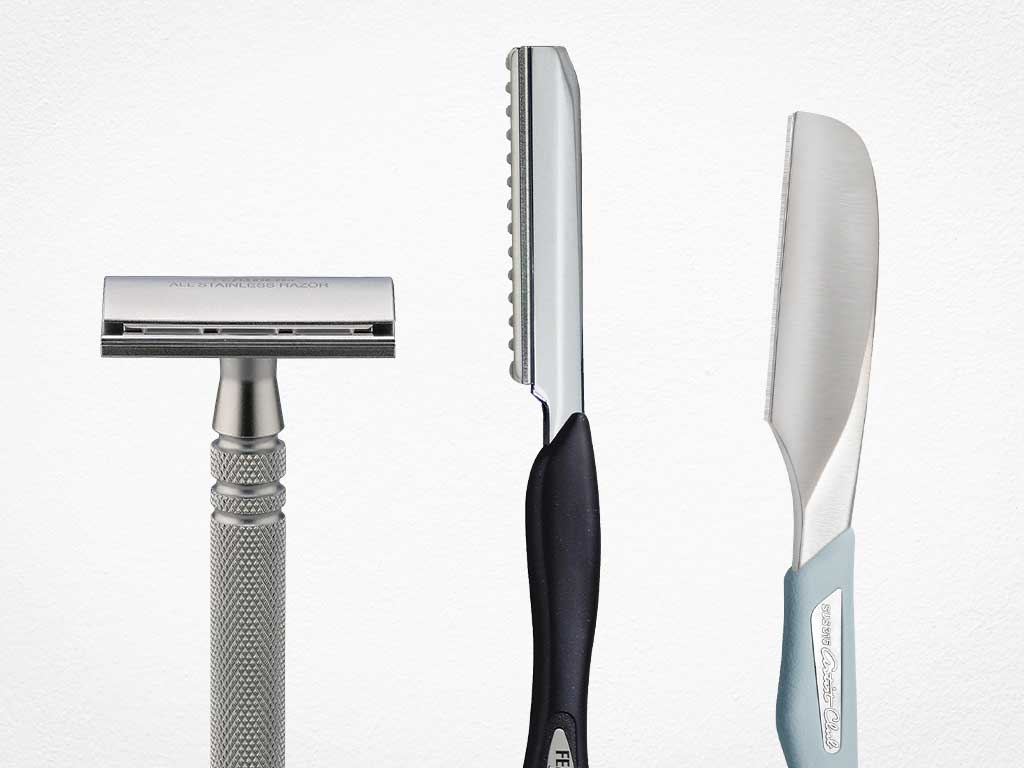
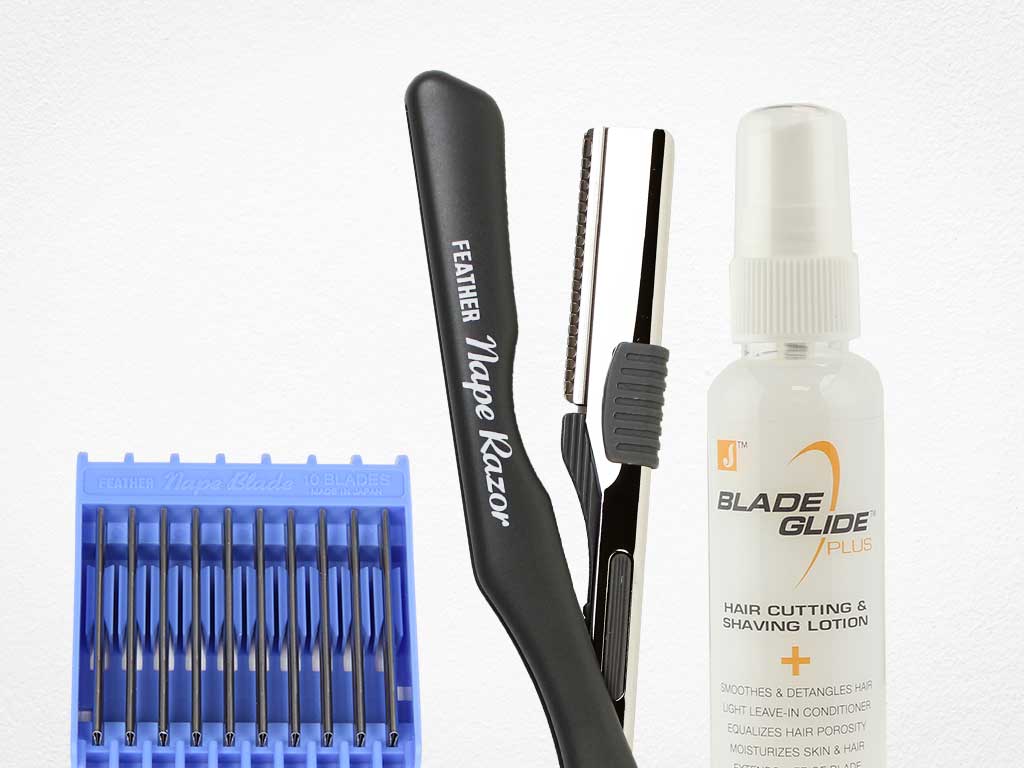
There are many shaving razors available on the market. There are cartridge razors which often have multiple blades and are used at home for both men and women for shaving legs, arm pits, face and more. Then you have the double edge razor or safety razor which gets a closer shave than a cartridge razor and it operates on a single blade. It's more eco-friendly and the blades are cheaper than cartridge blades. But it has a bit of a learning curve. And finally, you have the straight razor which gives the closest shave of the three. The straight razor uses a single blade. The handle either folds or has a straight handle. The straight razor is what's used by barbers to do shaves, lineups, sideburns and to create crisp lines. There are many brands that carry a version of these 3 types of razor handles. But then there is the Feather Nape & Body Razor. This razor is unique in that it does not easily fall in any of these three types of razors. It's most closely related to the straight razor. However, it's not meant to do full face shaves. The Feather Nape & Body Razor is a small-bodied folding shaving razor which houses a guarded blade. Its small nature allows it to be very useful for detailed work and to address small areas. This razor is called the Nape & Body Razor because it's meant to shave the nape area and small areas of the body such as sideburns, eyebrows and even bikini line. The razor only uses guarded replaceable blades so it can be used by hairstylists. Great for using on short men and women's haircuts around the neckline or stray hairs around the face, this razor does the final touches that can make or break the haircut. Everyone who has short hair loves to feel their neck after a haircut. And they love it when their neck is super soft and smooth. While the Feather Nape & Body Razor is generally used by professionals in the salon or shop, it's possible for home users to use it at home to clean up their own neck or small areas that need maintenance between haircuts. Because the blades are guarded, this makes it safe for anyone involved. Whether you're shaving yourself or someone else, the guard helps prevent unnecessary cuts and nicks. But don't get us wrong, the blades are sharp and will shave smoothly. The blades and handle are made in Japan and come as 10 blades per cartridge. To use, simply spray JATAI Blade Glide or other shaving lotion or clear shaving gel over the skin. If you don't have a clear shaving gel, be sure to wipe before you shave. Then, shave the area. Always use some sort of lubricant when shaving to avoid skin irritation. You should never shave on dry skin with any razor. Some people use the Feather Styling Razor to clean up the nape area. While this works, if you want a much closer shave, a Feather Nape & Body Razor would be a better choice. Barbers who don't want to use a traditional straight razor can also opt to use the Nape & Body Razor. The Feather Nape & Body Razor is a unique razor with a specific purpose. Its beauty lies in that it's very good at one thing...detailed shaving in small areas. If you're looking for a razor that can do these things, look no further. The Feather Nape & Body Razor can be purchased by itself or in a kit. The kit includes the handle, a pack of blades and a 2oz. bottle of JATAI Blade Glide shaving lotion.   Product, Shaving Razors
All About Feather Switch Blade Shears

Product

All About Feather Switch Blade Shears

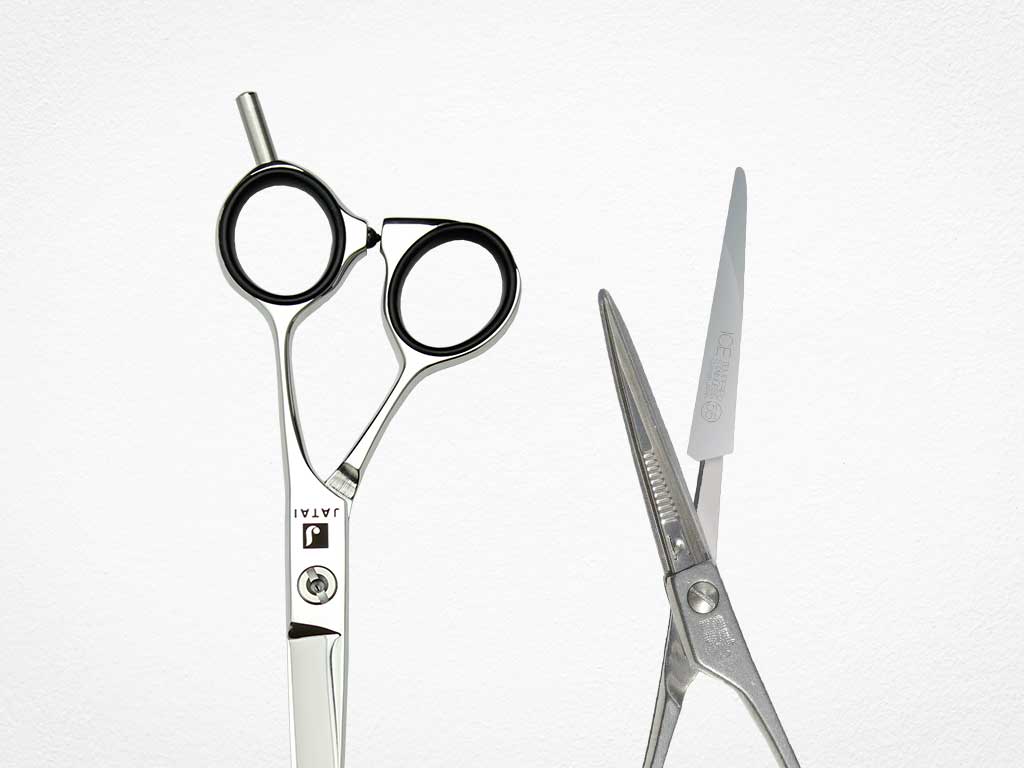
When it comes to haircutting, the most popular tool is the scissor. Scissors are the basic tool to cut hair, create layers, style bangs and create a desirable look. They are likely the first tool you are introduced to in beauty school and they will forever be in your tool kit until you retire. Most hair professionals are familiar with a scissor that is composed of 2 parts. Each part consists of a finger hole and a blade. When you notch two of these together you get a pair of scissors. There are many different scissor styles, sizes and qualities but the best quality scissors are made of stainless steel and have placed careful attention to the scissor performance as well as the sharpness of the blade. Stylists and barbers usually have more than one scissor. They can have different sizes, different brands and different functions such as texturizing scissors or thinning scissors. But over time and depending on how much any individual scissor is used, the scissor will need to be sharpened by a professional to bring back the cutting quality it once had. When frequently used, the blades lose some of their sharpness and it's possible the hinge (where the two blades meet) needs to be fine-tuned. With special care and attention, a quality scissor can last a lifetime. While maintenance is necessary, it is also inconvenient to have to send in scissors for repair. Scissors could be out of commission for a couple weeks or more depending on the location of the service and turnaround time. Furthermore, it's important to do due diligence when deciding who should service your scissors. Because if left in the wrong hands, the scissors could get ruined, and heaven forbid unusable. There's also a possibility the scissors could get damaged or lost in the mail when shipping to and from the service provider. Scissors are worthy investments that can cost a lot of money and the maintenance paired with downtime reveals some undesirable situations. Fortunately, there is an alternative. Feather Switch Blade Shears are innovative haircutting scissors that eliminate the hassle of sending in your scissors for maintenance, reduces costs, and saves you money in the long term. There is no downtime, and they are high quality scissors. Feather Switch Blade Shears are scissors that use replaceable blades. You simply buy replaceable blades, and with a simple snap off and snap on you have fresh new blades! You'll never have to sharpen your shears again. Feather Switch Blade Shears also come in various sizes from a 4.5" to a 7.5" with or without a tang. They are made in Japan and made of high quality Japanese stainless steel. Additionally, Switch Blade Shears have 'no-nip' tips which are rounded at the end to prevent nipping of the fingers. With safety in mind every step of the way, Feather Switch Blade Shears are a unique scissor that fills a very needed gap. You really can't go wrong with these scissors. People who use Feather Switch Blade Shears have been using them for years. They love the convenience, affordability and quality it entails. And you really can't anything like it anywhere else.    Product, Scissors
The Evolution of the Feather Plier Razor

Product

The Evolution of the Feather Plier Razor

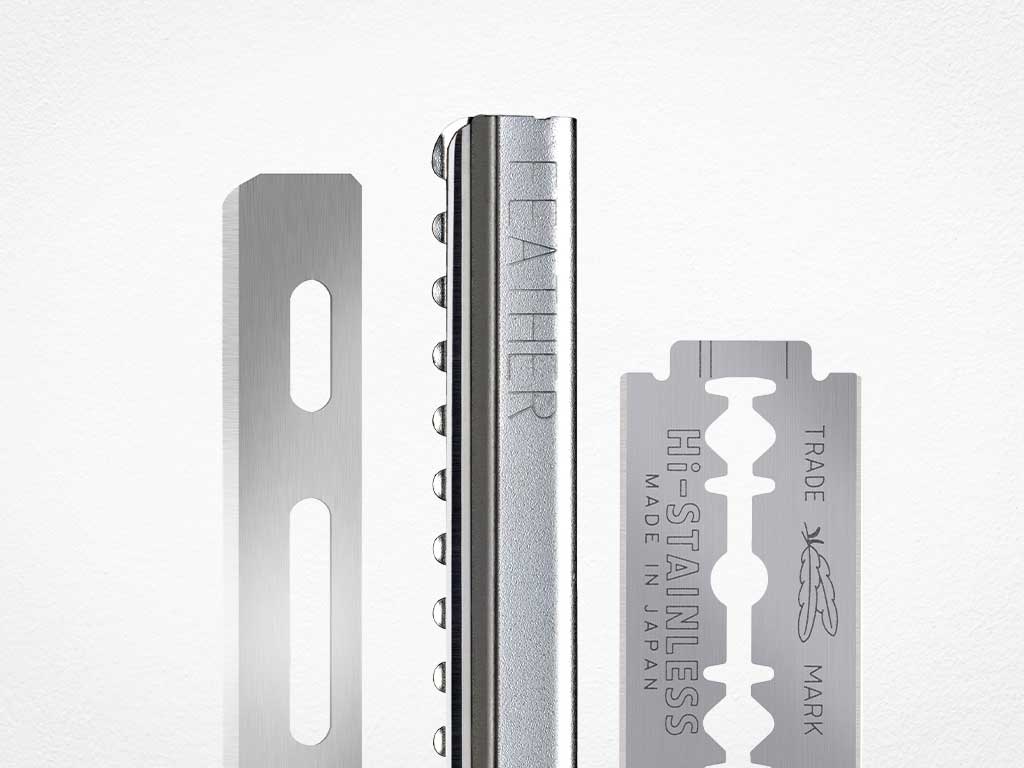
The Feather Plier Razor has quickly become the industry standard for bare blade razor cutting. You've probably seen it used by your favorite stylists on Insta or you've attended classes with the instructor using one. The Feather Plier Razor is the ultimate haircutting razor and the most dangerous. Prior to the 1990's most hair professionals did not use a haircutting razor. They primarily used scissors. Although there were some hairstylists that used a bare blade razor, many stylists were scared to use one in fear they would cut themselves and their clients. It was unfortunate because a razor could add so much more depth to their haircutting abilities. But in 1992, Feather and JATAI created a razor would forever change the way hairstylists looked at razor cutting. The Feather Styling Razor was born. A handle that uses guarded replaceable blades was a historical game changer in the industry. Now stylists could razor cut without cutting themselves or their clients. Since its inception, the Feather Styling Razor has quickly become the most popular and well-known haircutting razor on the market. Stylists have been able to be more creative, create new looks and experiment with the Styling Razor to further their craft. And with the ability to use 3 different blades in the handle, this further tailored to the needs of the stylist. But this article is about the Feather Plier Razor, isn't it? Yes, we're getting there... The Feather Styling Razor has been a great introductory razor for stylists. Many will stick with the Feather Styling Razor for the rest of their career. They are perfectly fine with the guarded blade and don't see any issue with the guard. But for some, the guard gets in the way, and they want more freedom. If it wasn't for social media, the Plier Razor might not have gained the popularity it has gained. For stylists, it's fun to show video using the razor to cut hair and it's satisfying to watch. It's also eye catching to see the before and after results when using a Plier correctly. It's a unique skillset that stylists want to show off because not everyone can use one. It takes practice and patience and generally a lot of money if you want to learn from the best. In fact, we see more social content around the Plier than the Styling Razor for this very reason. And while this is a valuable and admirable skillset, any stylist who uses a Feather Plier Razor will get cut. Sometimes those cuts can get nasty, but that's the price you pay for using a bare blade razor. It's interesting to see razor haircutting come full circle. From a time when razor cutting was frowned upon because it was dangerous to a time where it's highly inspirational and desirable to razor cut with a bare blade. In fact, more and more razor cutting classes using a bare blade are popping up. Why is this change happening? First off, razor cutting is minimally taught in beauty school. Razor cutting is considered an advanced skill so if you want to get good at it, you'll have to get additional training. Using a bare blade razor is considered a specialized skill. Stylists pay a lot of money to learn this skill and in turn can charge a lot more for their services because they can create looks that have more depth which cannot be created with scissors alone. So you see more razor cutting classes because there is a demand but also there are more stylists who know how to razor cut with a bare blade razor. Secondly, the hair industry is expanding and growing. Stylists are getting better faster. They are curious and hungry to be the best at their craft which means learning to use more tools, becoming exposed to new and better products, and learning from the best in the industry. Thirdly, there are many stylists who want to 'graduate' from the guarded blade and move up to the unguarded blade. By doing so, this gives ultimate freedom in razor haircutting. Sometimes the guard can get in the way. If there is too much guard, it can create drag. So they are willing to take the risk of cutting themselves in order to eliminate the guard. Stylists are becoming more brave. They are not as afraid at trying new things. But in an industry that has grown over the years, they need to stand out. Standing out could mean specializing in a certain type of haircut or being known for something specific such as specializing in razor cutting or updos. There are more niches than ever these days. Razor cutting with a bare blade is a growing industry. And what better way to do bare blade haircutting than with a Feather Plier Razor. Made in Japan, the slim French razor profile and folding handle makes this razor difficult to compete with. The Feather Plier Razor uses extremely sharp blades. In fact, there is no better blade than the Feather Plier Blade for razor cutting. They are consistent, high quality and long lasting. The Feather Plier Razor is a tool you must take seriously, or it will seriously take you. Give it respect and it will respect you back. But with proper care and attention you can minimize injury. And with proper technique you can create a masterpiece and some of the most beautiful haircuts you've ever seen. The bare blade razor has come full circle. If you're ready to take your razor cutting to the next level, start with the best tool, the Feather Plier Razor.   Product, Haircutting Razors
Setting it Straight: Not ALL Razors are Feather Razors

Product

Setting it Straight: Not ALL Razors are Feather Razors

If you scour the internet and even shopping sites for a haircutting razor and sometimes straight razors, you might see them referred to as a 'Feather Razor' but let's set the record straight. Not all haircutting and straight razors are 'Feather Razors.' It seems that over time people have come to associate a 'Feather Razor' as a basic term for a haircutting razor or sometimes a straight razor. Let's look at this deeper so that you are not confused or mistaken on what you're actually purchasing. If you think of tissue you might generically call it Kleenex. Or if you think of a bandage, you might call it a Band-Aid. What we forget is that Kleenex and Band-Aid are actually brands and not generic terms for the product. After all, there are many brands of tissue out there such as Puffs, Cushelle, Presto! and more. But if you call it Kleenex you're actually referring to a brand and not a type of product. It just happens to be that Kleenex has become the most popular and most well-known brand for tissue in the world. It's a registered trademark name that has become so popular people say 'tissue' and 'Kleenex' interchangeably like they are same thing. Same with bandages. There are many bandage brands out there. Nexcare, Welly and Curad are just a few. And many drug stores have their own brand of bandages like Rite-Aid, CVS and Walgreens as well. Band-Aid, however, is the most popular and well-known bandage brand so 'Band-Aid' is often associated with the word 'bandage' and used interchangeably. So now that you understand this concept we can apply it to a Feather Razor. 'Feather' is a brand name. It is not a generic term for all haircutting razors or straight razors. However, the Feather Styling Razor was the FIRST guarded haircutting razor on the market and has become the most popular one in the world. And since it is the first one, it is also the one that has been around the longest. So people have come to associate a 'Feather Razor' as a haircutting razor. If you see a razor labeled as 'Feather' ask yourself if you are looking at an actual Feather branded razor or an off-brand razor but using Feather in the name. Being able to decipher between the two might not seem critical but it is important if you want the Feather quality. Feather products are made in Japan and have a reputation for high quality products where the blades are reliable, dependable and consistently sharp. Other hair brands have created their own, but they are not Feather. We cannot attest to their quality, function or usability. The misuse of 'Feather Razor' is recognizable on shopping sites where sellers might call their razor a Feather Razor when it's actually a different haircutting razor. Since Feather is a registered trademark name, they can get into big legal trouble for using a brand name in the name of their razor. But the misuse has been noticed in social media as well. On sites like TikTok and Instagram where people talk about their favorite products, influencers can unknowingly misspeak when talking about products and call them the wrong name. This is detrimental to the brand as their viewers and followers may take what the influencer says as truth. So how do we navigate this situation? It starts here. First, understand what's happening and where the problem lies. Then, make sure that you yourself don't call all haircutting or straight razors a 'Feather' razor unless it really is. And thirdly, inform others nicely if they have misspoken. You might think this whole situation is good for Feather because it's getting the brand name more noticed. However, while there is some truth to this, it also creates confusion and misrepresentation and could lead to someone purchasing a razor they thought was a Feather Razor when it's not. So there you have it...a deep explanation to set the record straight. Not all haircutting and straight razors are Feather razors. If you already knew this, then great! But if you didn't hopefully it gave some clarity. If you're interested in a real Feather Razor, you can check them out here.   Product, Haircutting Razors, Artist Club Razors, Brand Building
Should You be Using a Nail Nipper?

Product

Should You be Using a Nail Nipper?

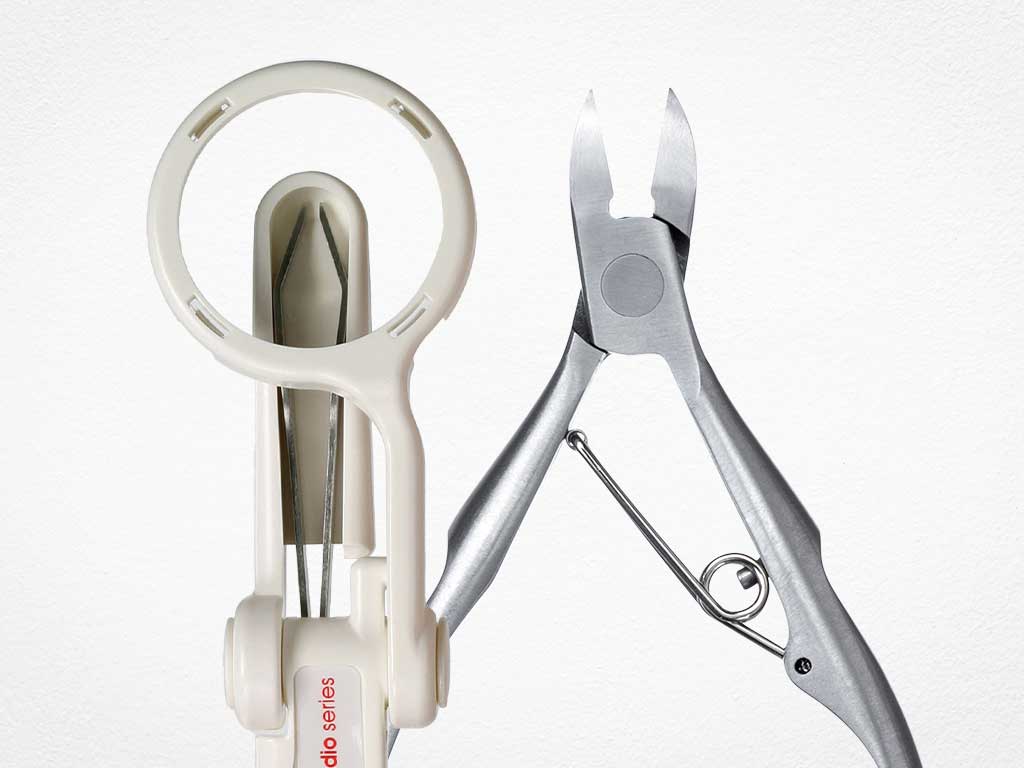
When you think of cutting your nails, you probably think about using a nail clipper. But what if a nail clipper just doesn't cut it for you. No pun intended but sometimes there's just something wrong with using a nail clipper. Maybe what you need is a nail nipper. What is a nail nipper you ask? Well, let this article enlighten you. A nail nipper is an alternative tool for cutting and trimming your nails. It looks like a cuticle nipper but larger so don't get them confused. Yes, they are both called nippers, but their uses are completely different. A nipper is something that cuts or 'nips' away at something. So a nail nipper is a tool that cuts away at nails. But unlike a nail clipper, it is held differently and used differently. And it is generally used for certain purposes. Let's look at the benefits of using a nail nipper. Benefits of Using a Nail Nipper   Precision Cutting One of the main benefits of using a nail nipper is the precision that it offers. Nail nippers can be steered and directed in the path you want it to cut. It's not so easy to do that with a nail clipper. The directing of the cut allows you to shape your nails to the desired look for precision and maximum control.   Strong, Wide Jaws The second biggest benefit is its ability to cut through thick hard nails. Sometimes if the nail is too thick you can't even get the nail in the jaws of the nail clipper. When this happens, it's time to upgrade to a nail nipper. Nail nipper jaws can open very wide to encapsulate the thickest of nails. Because of this, the jaws must be very strong to cut the nail. Dexterity Sometimes we have dexterity issues. Maybe you find it difficult to hold a nail clipper. Perhaps holding something where squeezing with your hand vs. your fingers is easier for you. If this is the case, then a nail nipper may be a better choice.   Durable While many nail clippers are durable, nail nippers take durability to another level. Because they are meant to cut thicker nails, the metal is generally thick, strong and powerful to withstand the more intense cutting.   Easier to Clean You might say nail nippers are more hygienic than regular nail clippers. If keeping your nail cutting tools clean and hygienic is important, opt for a nail nipper. The jaws can be easily cleaned with rubbing alcohol and cotton as the blades are exposed. Nail clippers have a closed system. Since the jaws only open so wide, it can be difficult to clean the blades. Using a nail nipper is not as common as using a nail clipper, but that doesn't mean they are not right for you. Some people prefer using a nail nipper over a nail clipper for the above reasons. In the end it's about personal choice and preference. If you're not familiar with Seki Edge, feel free to browse the nail nippers and nail clippers we offer. We have some of the best on the market! Check out our nail clippers and nail nippers from Seki Edge.   Product, Nail Nippers

Showing 12/41