Filter and sort

1 product

0 selected
$

0

$

7.95

0 selected

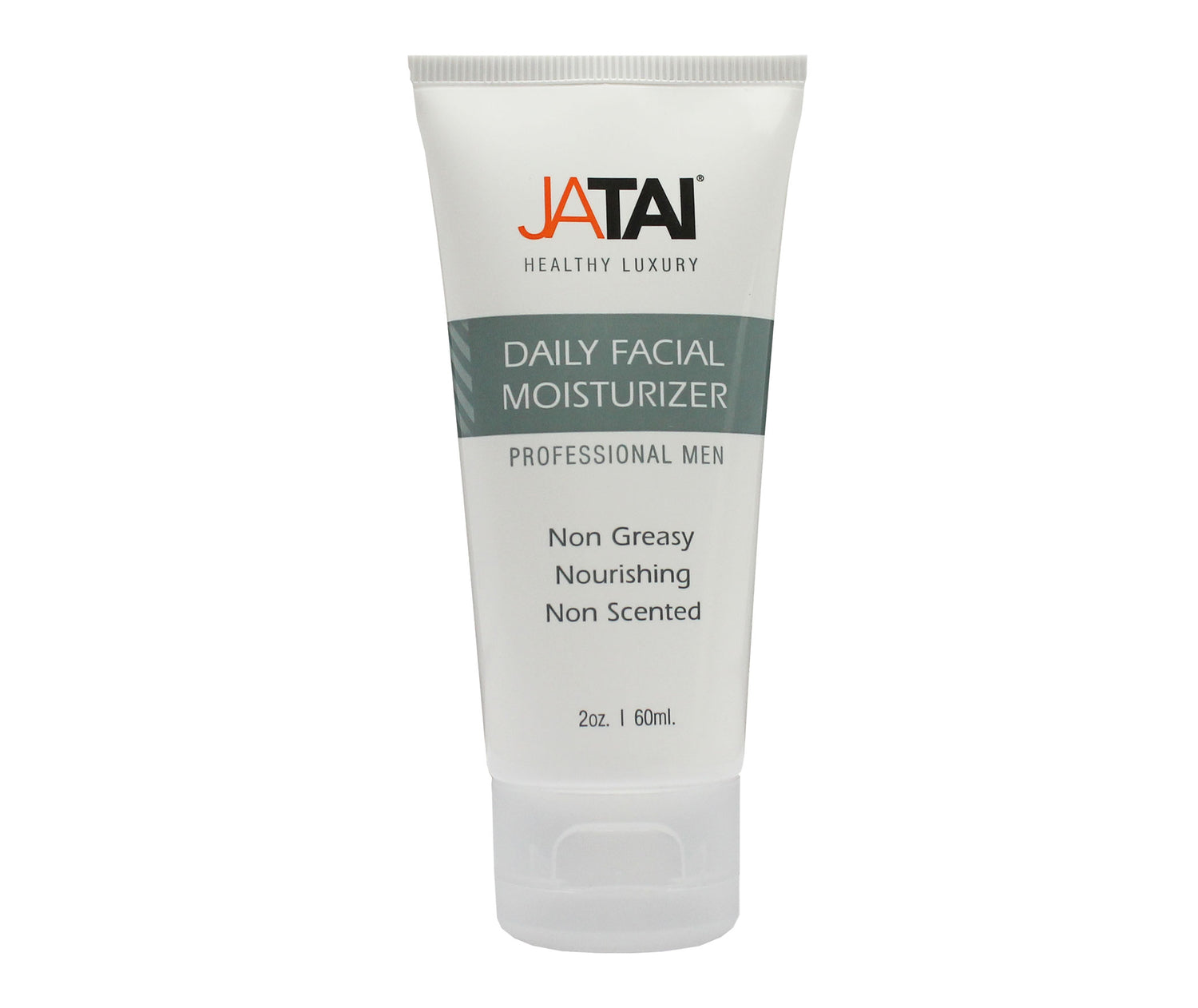
Jatai Daily Facial Moisturizer

JATAI Daily Facial Moisturizer

$7.95

RELATED ARTICLES

Skincare for Men: How to Have the Best Skin for Shaving

Skincare for Men: How to Have the Best Skin for Shaving

by JATAI, 05 Jul 2023
When it comes to skincare, the beauty industry has traditionally focused on women. However, in recent years, there has been a growing awareness among men that taking care of their skin is just as important. Skincare isn't about being vain or feminine - it's about looking after your body and your health. Skincare Tips for Better Shaving Results Why is skincare for men important? By taking care of your skin, you can slow down the process of aging, increase the health of the skin and even get rid of imperfections. Women want a man who takes care of themselves and this includes their skin. By looking your best, you build confidence and make yourself more attractive to women. But one thing that men don't realize is that skin care also helps with shaving. When you shave it's important to have healthy skin. By shaving on a clean canvas you will have much nicer results when shaving. But if your skin has bumps, ingrown hairs, acne or other blemishes, these could get in the way of a good shave. Shaving with skin in poor condition could lead to cuts and undesirable results.   Cleanse your Face The first step in any skincare routine is to cleanse your face. This means using a gentle cleanser to remove dirt, oil, and dead skin cells that can clog pores and cause acne or bumps. Men should look for a cleanser that is specifically designed for their skin type, whether that's oily, dry, sensitive or combination. This is important because using a cleanser that's not right for your skin type could leave your skin too dry, irritated, or too oily. Combination skin is where skin is naturally oily in the T-zone which is the across forehead and down the nose to the chin but dry on the cheeks. Cleansing your face leaves the skin feeling fresh and clean. If you're rocking a beard and/or mustache, it's important to cleanse facial hair as well. Facial hair can harbor bacteria and dirt so it's important to remove the impurities.   Exfoliate Regularly Exfoliation is the process of removing dead skin cells from the surface of the skin. This helps to unclog pores and improve the overall texture and appearance of the skin. Men should exfoliate once or twice a week using a gentle exfoliating scrub or a chemical exfoliant like glycolic acid. But did you know that shaving is type of exfoliation as well? When you shave you are taking off the outer layer of skin. So shaving is a great way to exfoliate. However, it's important to use a very sharp blade. If you use a dull blade or a low-quality blade, this could damage your skin and leave it irritated. And the more blades you have (5 blade cartridges for example) the more irritation this may create. So if possible, the best type of blade is a single blade. Use a safety razor or double edge razor for shaving as this will give you the closest shave and create less irritation to the skin than cartridge blades. It's also recommended to shave with a non-foaming shaving cream as this will allow you to see what you're shaving. You don't want to shave over any bumps or acne. By using a clear shaving cream or gel you can see what you're shaving and give you the ability to shave around any skin imperfections.   Moisturize Moisturizing is an essential step in any skincare routine. It helps to hydrate the skin and prevent dryness, which can lead to premature aging and wrinkles. Men should look for a moisturizer that contains ingredients like hyaluronic acid, which helps to retain moisture in the skin, and vitamin E, which has antioxidant properties. Men should also look for a moisturizer that is non-comedogenic which means the product won't clog or block pores. This helps prevent acne. Many men forget to moisturize or think this step is not that important. But it is very important. When you cleanse the skin to remove the oils, you need to put them back in to prevent over dryness.   Protect your Skin from the Sun Sun damage is one of the leading causes of premature aging and skin cancer. Men should always wear sunscreen when they are going to be outside for extended periods of time, even on cloudy days. Check the UV index on the weather app to know if it's necessary to wear it. Look for a sunscreen with an SPF of at least 30 and apply it generously to all exposed skin. It's important to note that sunscreen generally only lasts for 90 minutes. So it's important to reapply if you plan to be exposed to the sun for hours at a time. It's also a good idea to wear a hat that has full face coverage. Baseball caps don't provide complete coverage, but they can at least cover the forehead and sometimes the eyes. Be sure to reapply as necessary.   Watch your Diet Your diet can have a significant impact on the health of your skin. Eating a diet that is high in processed foods and sugar can lead to inflammation and acne. These kinds of foods have poor nutritional value so they can have a negative effect on the skin. On the other hand, a diet that is rich in fruits, vegetables, and healthy fats can help to keep your skin looking healthy and radiant. Fruits and vegetables contain antioxidants which fight against oxidants which damage the skin and promote disease. Health fats such as omega-3s and monounsaturated fats promote healthy hormones and healthy cell function. Hormones, when not in balance, can lead to skin issues such as acne. In conclusion, taking care of your skin is not just for women. Men need to pay attention to their skin too. A simple skincare routine that includes cleansing, exfoliating, moisturizing, sun protection, and a healthy diet can go a long way in keeping your skin looking and feeling its best. So, don't be afraid to take care of your skin - it's an investment in your health and wellbeing. Health and Wellness
10 Safe Practices for Shaving to Minimize Cuts, Irritation and Razor Burn

10 Safe Practices for Shaving to Minimize Cuts, Irritation and Razor Burn

by JATAI, 06 Dec 2023
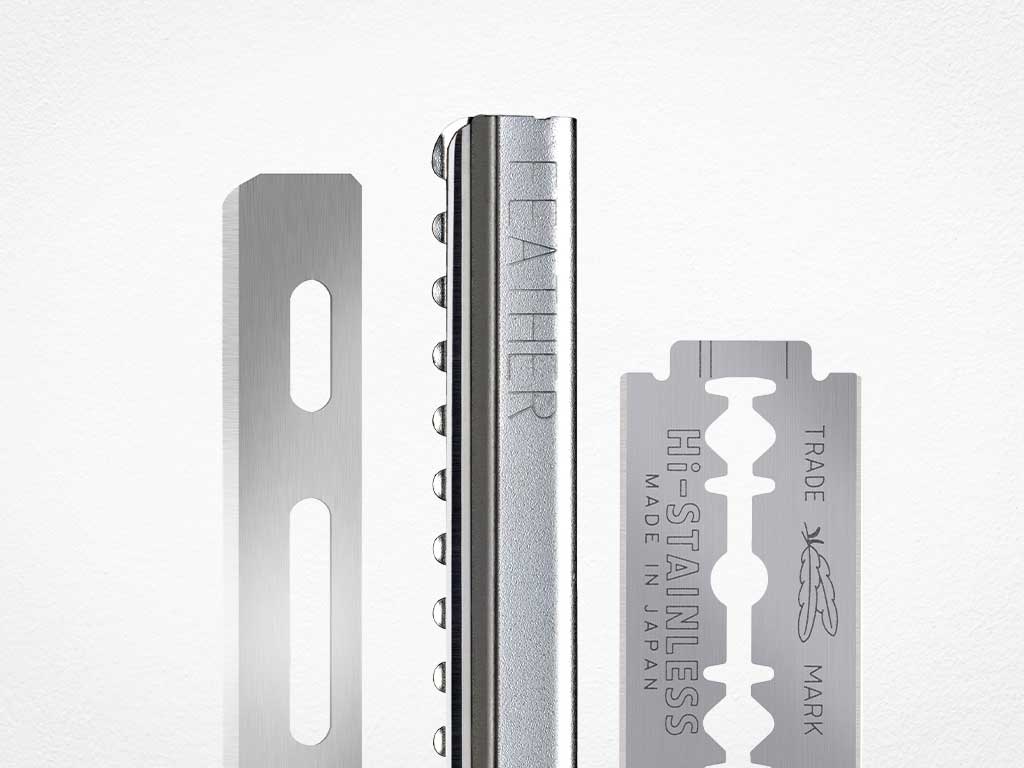
Shaving is a daily grooming routine for many individuals, but it can sometimes lead to unwanted consequences such as cuts, irritation, and razor burn. However, by following a few safe practices, you can minimize these issues and achieve a smooth and comfortable shave. Whether you regularly shave your face or your face or other bodily hair such as legs and armpits, these tips will help you achieve a clean shave while keeping your skin happy and healthy.   10 Shaving Practices: Prepare Your Skin and Hair Before you start shaving, it's important to prepare your skin and hair properly. Take a warm shower or wash your face and/or body part with warm water and non-drying soap to soften the hair. If you are shaving the face, use facial cleanser. This will make the shaving process smoother and reduce the chances of irritation. Avoid using hot water, as it can dry out your skin.   Exfoliate Regular exfoliation helps remove dead skin cells and unclog hair follicles, leading to a closer shave and reducing the risk of ingrown hairs. Gently exfoliate your skin using a mild scrub or exfoliating glove before shaving. By eliminating dead skin cells you leave a clean canvas to work on, making it easier for the razor to shave over the skin.   Apply Shaving Cream or Gel Using a good-quality shaving cream or gel helps lubricate the skin, allowing the razor to glide smoothly and minimizing friction. Look for products that are suitable for your skin type and free from harsh chemicals. Apply a generous amount to the area you're shaving and leave it on for a minute or two to soften the hair further. While many shaving creams lather and form a white foam, it's easier to see through a clear gel or cream. Seeing what you're shaving can help prevent any unnecessary nicks or cuts. For example, if you have any bumps or areas of the skin that could be impacted by a razor blade, it's best to shave around that area rather than over it. One shaving cream that is non-foaming is JATAI Shaving Cream.   Use a Sharp Razor Blade A dull blade can cause more cuts and irritation, so it's crucial to use a sharp blade. Replace your razor blades regularly, ideally after five to ten shaves or when you notice any signs of dullness. Consider using a high-quality double edge razor and blade (such as Feather) as they provide a closer shave than cartridge razors. However, if you must use a cartridge razor and blade, opt for the least amount of blades (no more than 3) to reduce irritation.   Shave with the Grain Shaving against the grain may give a closer shave, but it increases the likelihood of cuts, razor burn, and ingrown hairs. Instead, shave with the grain (in the direction of hair growth) to reduce irritation. If you want an even closer shave, you can go across the grain after the first pass, but avoid going against it. Evaluate your hair growth patterns before you shave the area.   Use Light Pressure Applying too much pressure while shaving can lead to nicks and cuts. Let the weight of the razor do the work and glide it gently across your skin. Avoid repetitive strokes on the same area, as it can cause irritation. Rinse the blade frequently to remove hair and shaving cream buildup.   Rinse with Cold Water and Pat Dry Once you've finished shaving, rinse your skin with cold water to close the pores and soothe the skin. Cold water also helps reduce inflammation and any potential redness or irritation. After rinsing, pat your skin dry with a clean towel. Avoid rubbing, as it can further irritate the skin.   Use an Alcohol Free Toner Toners help balance out the pH of the skin. Using a cotton pad soaked with toner, wipe the freshly shaved area. Alcohol-based toners and products can dry out the skin and cause stinging or irritation, especially if you have sensitive skin. Opt for alcohol-free alternatives.   Moisturize and use Sunblock Moisturize your skin to replenish moisture and provide a protective barrier. Choose a gentle, oil-free, comedogenic moisturizer to help prevent clogged pores and blackheads. Moisturizers are very important in skin care. They help reduce the progression of aging and give your skin life. If you are planning to go outside after shaving, be sure to use sunblock with an SPF of at least 30 to protect your skin from sun damage.   Clean and Store Your Razor Properly After each use, rinse your razor thoroughly to remove any hair, shaving cream, or debris. Keep your razor dry and store it in a dry place to prevent bacterial growth and maintain the sharpness of the blades. Replace the blade when it gets dull. By incorporating these safe practices into your shaving routine, you can minimize the risk of cuts, irritation, and razor burn, and achieve a smooth and comfortable shave. Remember to listen to your skin and adjust your routine as needed. If you experience persistent skin issues or have any concerns, consult a dermatologist for personalized advice. Health and Wellness