Lotions and Creams Collection Header

Lotions & Creams

Lotions & Creams

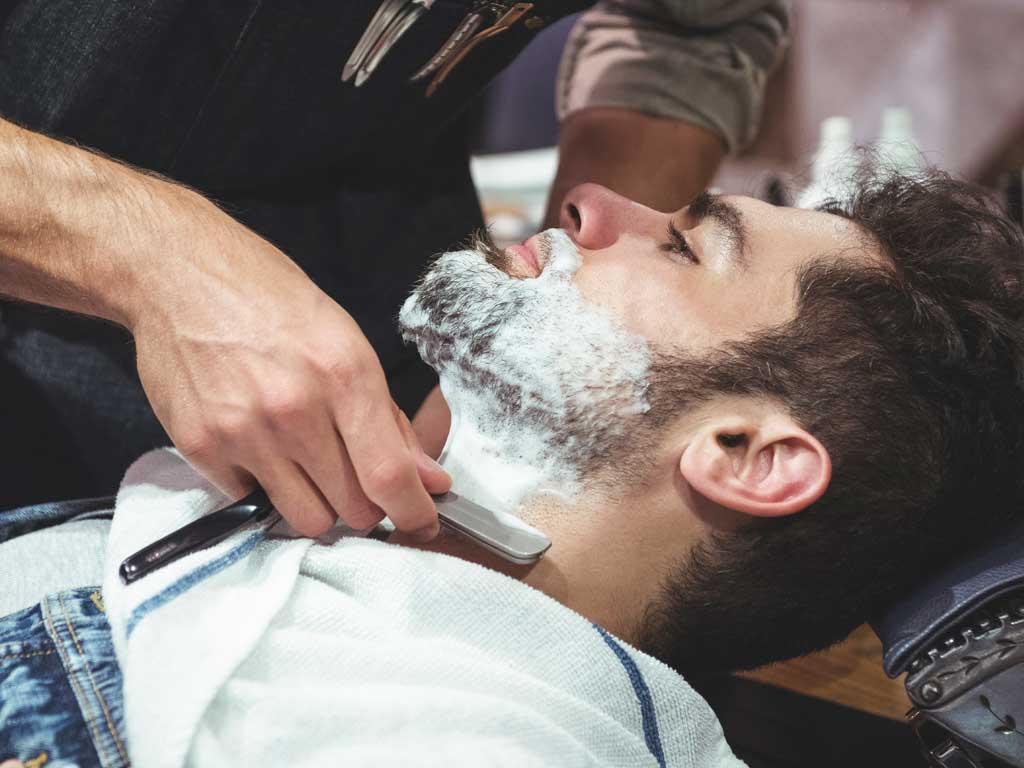
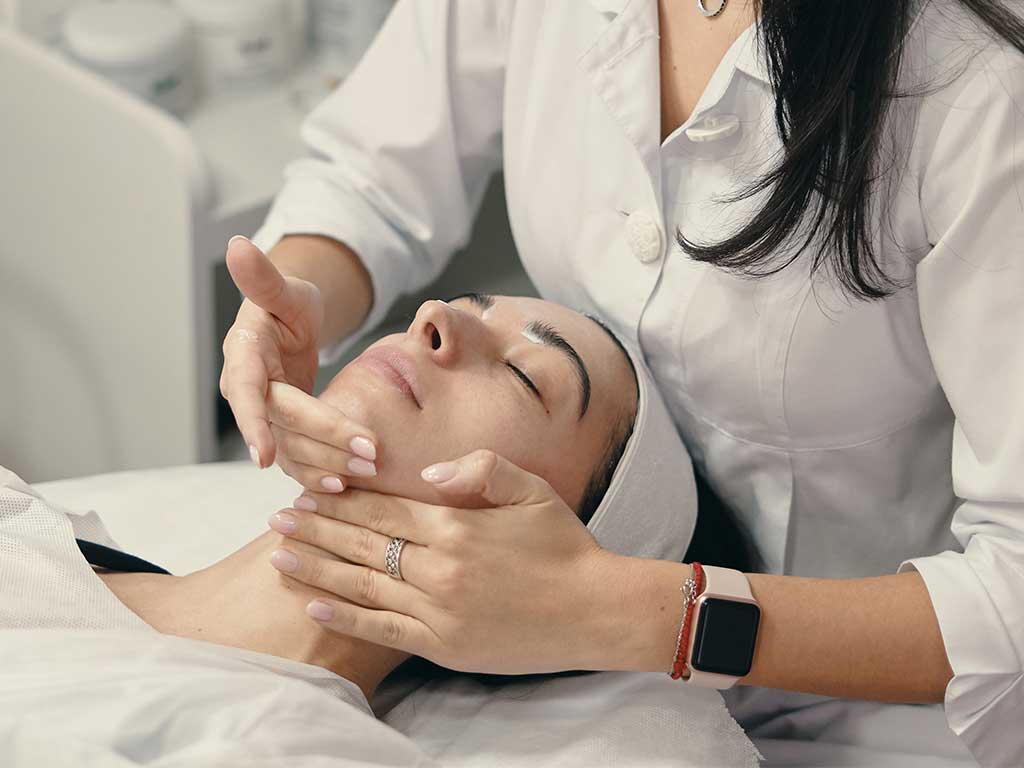
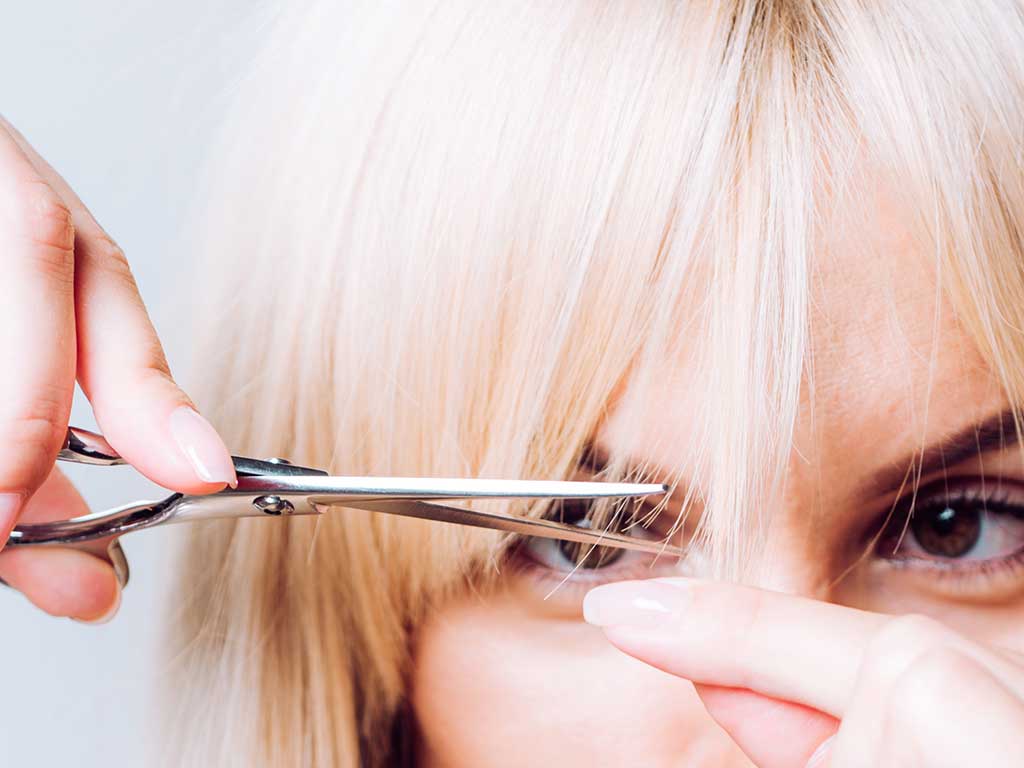
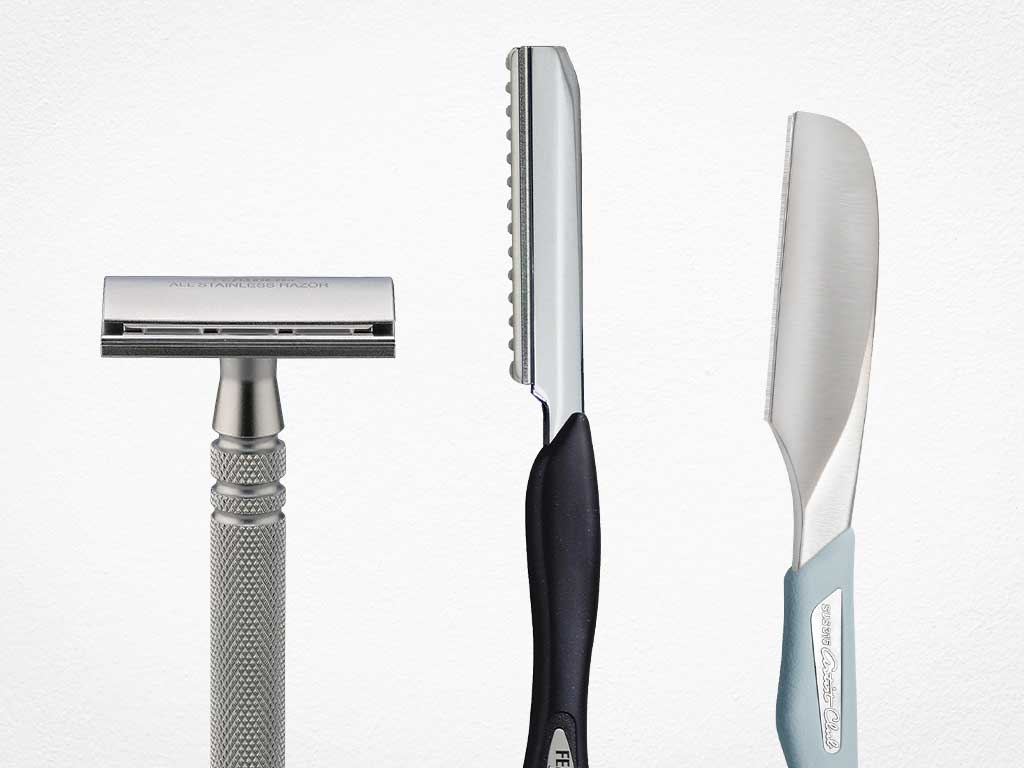
From shaving cream, daily cleanser, daily moisturizer, beard and mustache softener, haircutting lotion and nail polish remover, these are all complementary to JATAI tools. High quality lotions and creams can help the tool do the work, extend the life of the blade and nourish the hair and skin. The creams are also moisturizing so skin and hair does not dry out. Our lotions and creams help you look your best each and every day.

From shaving cream, daily cleanser, daily moisturizer, beard and mustache softener, haircutting lotion and nail polish remover, these are all complementary to JATAI tools. High quality lotions and creams can help the tool do the work, extend the life of the blade and nourish the hair and skin. The creams are also moisturizing so skin and hair does not dry out. Our lotions and creams help you look your best each and every day.

Filter and sort

5 products

0 selected
$

0

$

131.40

0 selected

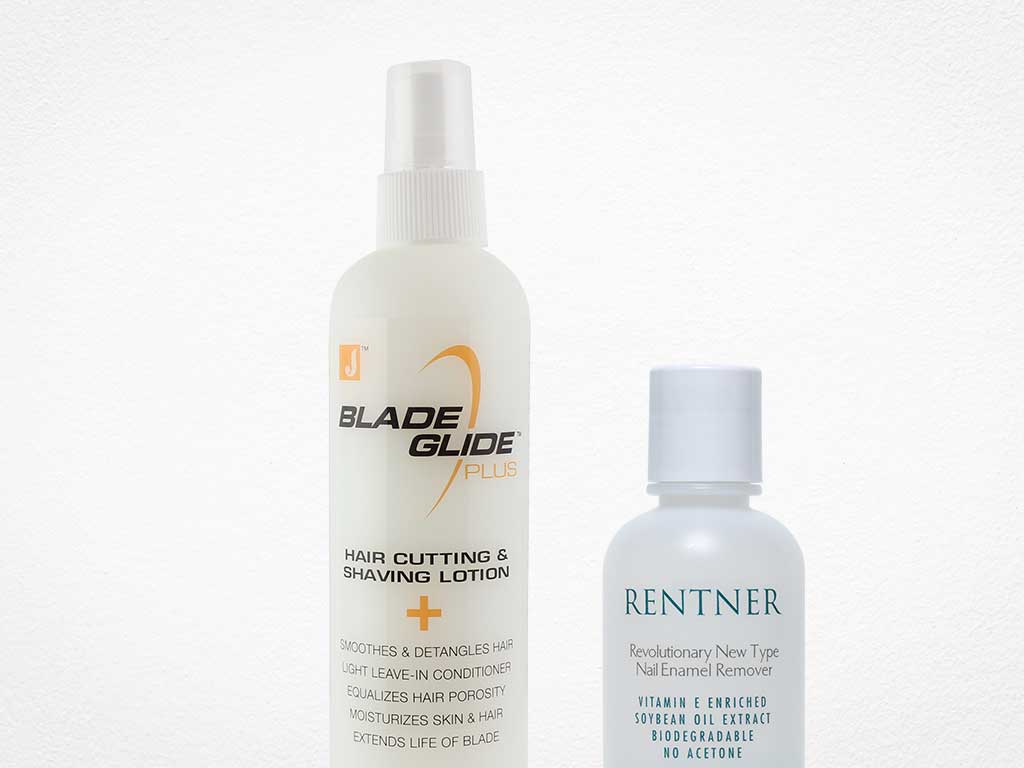
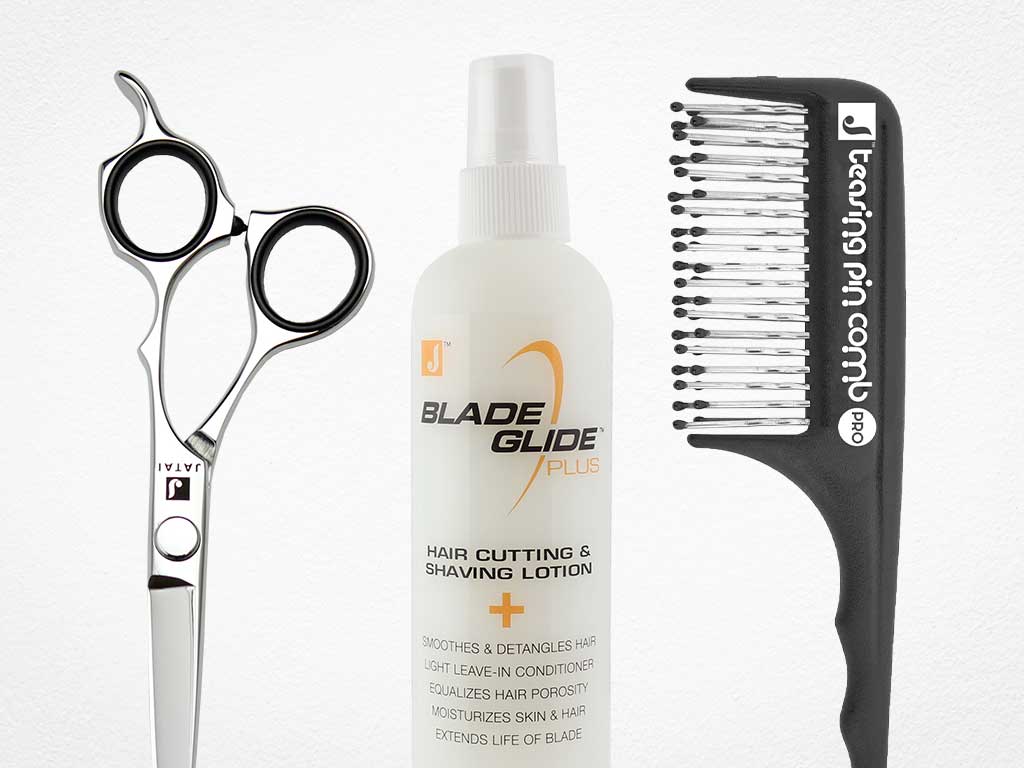
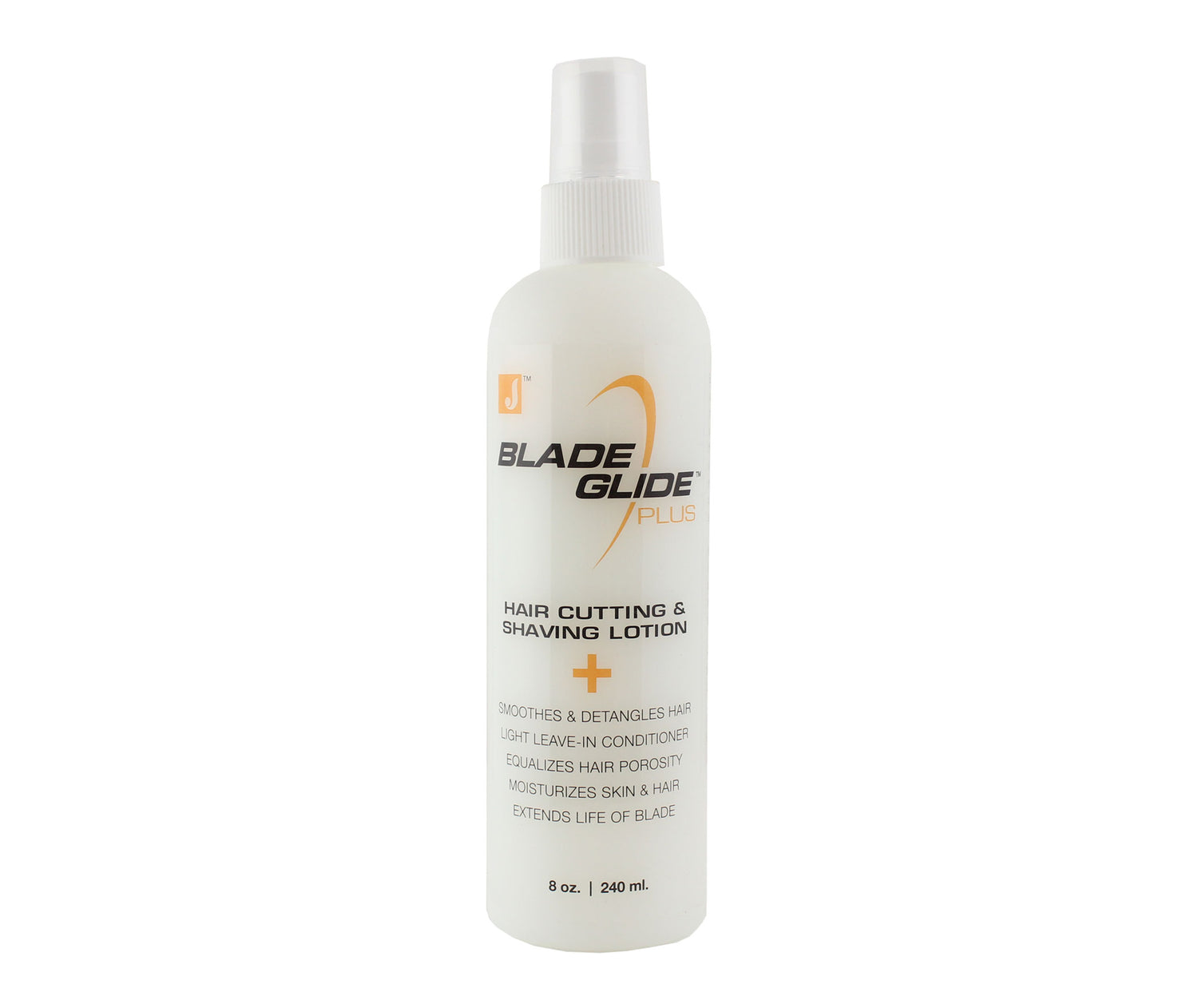
Jatai Blade Glide Plus 8oz

JATAI Blade Glide Plus 8 oz

From $10.95

Jatai Shaving Cream

JATAI Shaving Cream

$7.95

Lotions and Creams Collection Promo

Get 10% off your total order

GET CODE  
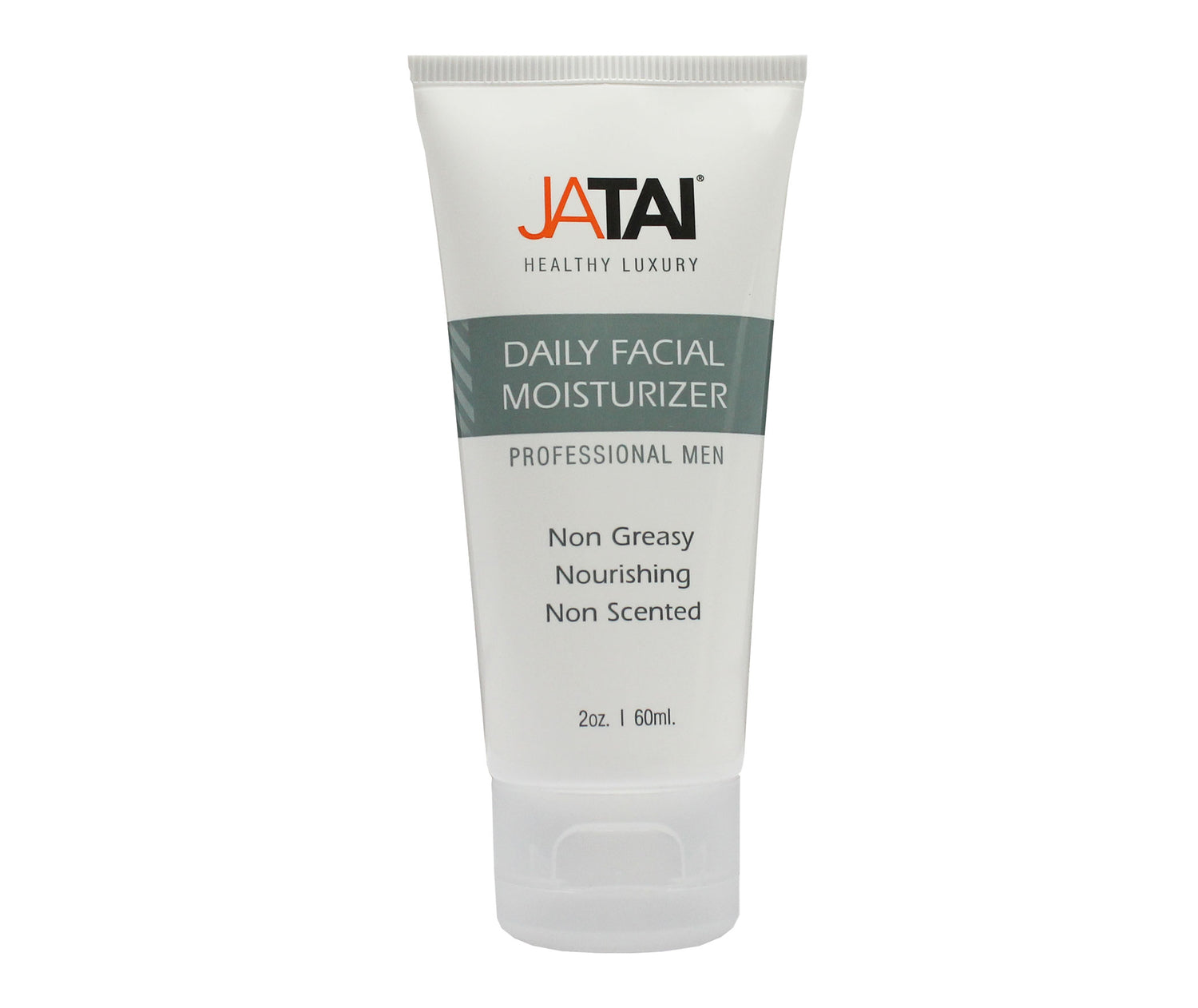
Jatai Daily Facial Moisturizer

JATAI Daily Facial Moisturizer

$7.95

RELATED ARTICLES

The Pros and Cons of Acetone and Non-Acetone Nail Polish Removers

The Pros and Cons of Acetone and Non-Acetone Nail Polish Removers

by JATAI, 22 Nov 2023
When it's time to remove your nail polish, you may be faced with a choice between acetone and non-acetone nail polish removers. Both options effectively remove nail polish, but they have different formulations and properties. Understanding the pros, cons, and differences between acetone and non-acetone nail polish removers can help you make an informed decision about which one is best for you. Acetone Nail Polish Remover Acetone is a strong and highly effective solvent commonly used in nail polish removers. Here are some pros and cons of using acetone nail polish remover.   Pros: Fast and Efficient: Acetone removes nail polish quickly, often requires less effort and few swipes Effective on Stubborn Polish: Acetone is particularly effective at removing dark or glittery nail polishes Suitable for Artificial Nails: Acetone can efficiently dissolve and remove acrylic or gel nails, making it a popular choice for individuals who wear artificial nails.   Cons: Drying and Harsh: Acetone has a drying effect on the nails and cuticles, which can lead to dryness, brittleness and peeling with repeated use. It can also strip the nails of their natural oils. Strong Odor: Acetone has a strong, pungent smell that some people may find unpleasant or overwhelming. Potential Skin Irritation: Acetone can cause skin dryness and irritation, especially if you have sensitive or dry skin. It is recommended to wash your hands thoroughly after using acetone nail polish remover. Respiratory Irritation: Breathing in large amounts of acetone can create respiratory symptoms such as nose, throat, eye and lung irritation. It can even cause a sore throat or cough. Toxicity: Isopropyl acetone can be toxic. When absorbed into the skin over a period of time, this can lead to organ toxicity. Long term exposure can potentially lead to kidney, liver and nerve damage. It can even lead to birth defects and male infertility.   Non-Acetone Nail Polish Remover Non-acetone nail polish removers are formulated with alternative solvents such as ethyl acetate, methyl ethyl ketone or propylene carbonate. Here are the pros and cons of using non-acetone nail polish remover.   Pros: Gentler on Nails and Cuticles: Non-acetone removers are generally milder and less drying compared to acetone removers. They are less likely to cause excessive dryness or damage to the nails and cuticles. Less Strong Odor: Non-acetone removers have a milder scent or none at all, making them a more suitable choice for individuals who are sensitive to strong smells. Suitable for Natural Nails: Non-acetone removers are safe to use on natural nails, as they are less likely to cause damage or weaken the nail structure. Less Toxic: While not nail polish remover is 100% safe, acetone-free nail polish remover is the safest option and least toxic.   Cons: Slower Removal: Non-acetone removers may require more time and effort to effectively remove nail polish, especially with dark or glittery shades. Less Effective on Artificial Nails: Non-acetone removers are not as effective at dissolving and removing acrylic or gel nails. They may require additional soaking or scraping to remove artificial nail coatings.   Conclusion Solvent Strength: Acetone is a stronger solvent than the alternatives used in non-acetone removers, making it more effective for quick and efficient polish removal. Drying Effects: Acetone has a more drying effect on the nails and cuticles compared to non-acetone removers. Smell: Acetone has a stronger odor compared to non-acetone removers, which typically have a milder scent. Compatibility with Artificial Nails: Acetone is effective at removing acrylic or gel nails, while non-acetone removers may require more effort or additional steps for artificial nail removal. Safety: Acetone nail polish remover is more toxic than non-acetone nail polish remover. If safety is an important factor, opt for acetone-free.   Both acetone and non-acetone nail polish removers have their advantages and disadvantages. Acetone removers are fast and efficient but can be drying and harsh on the nails and cuticles. Non-acetone removers are gentler and have a milder odor, making them a preferable choice for natural nails. However, they may require more time and effort for polish removal, and they are less effective on artificial nails. Consider your nail type, sensitivity, and the type of nail polish you typically wear when choosing between acetone and non-acetone nail polish removers. Product
10 Safe Practices for Shaving to Minimize Cuts, Irritation and Razor Burn

10 Safe Practices for Shaving to Minimize Cuts, Irritation and Razor Burn

by JATAI, 06 Dec 2023
Shaving is a daily grooming routine for many individuals, but it can sometimes lead to unwanted consequences such as cuts, irritation, and razor burn. However, by following a few safe practices, you can minimize these issues and achieve a smooth and comfortable shave. Whether you regularly shave your face or your face or other bodily hair such as legs and armpits, these tips will help you achieve a clean shave while keeping your skin happy and healthy.   10 Shaving Practices: Prepare Your Skin and Hair Before you start shaving, it's important to prepare your skin and hair properly. Take a warm shower or wash your face and/or body part with warm water and non-drying soap to soften the hair. If you are shaving the face, use facial cleanser. This will make the shaving process smoother and reduce the chances of irritation. Avoid using hot water, as it can dry out your skin.   Exfoliate Regular exfoliation helps remove dead skin cells and unclog hair follicles, leading to a closer shave and reducing the risk of ingrown hairs. Gently exfoliate your skin using a mild scrub or exfoliating glove before shaving. By eliminating dead skin cells you leave a clean canvas to work on, making it easier for the razor to shave over the skin.   Apply Shaving Cream or Gel Using a good-quality shaving cream or gel helps lubricate the skin, allowing the razor to glide smoothly and minimizing friction. Look for products that are suitable for your skin type and free from harsh chemicals. Apply a generous amount to the area you're shaving and leave it on for a minute or two to soften the hair further. While many shaving creams lather and form a white foam, it's easier to see through a clear gel or cream. Seeing what you're shaving can help prevent any unnecessary nicks or cuts. For example, if you have any bumps or areas of the skin that could be impacted by a razor blade, it's best to shave around that area rather than over it. One shaving cream that is non-foaming is JATAI Shaving Cream.   Use a Sharp Razor Blade A dull blade can cause more cuts and irritation, so it's crucial to use a sharp blade. Replace your razor blades regularly, ideally after five to ten shaves or when you notice any signs of dullness. Consider using a high-quality double edge razor and blade (such as Feather) as they provide a closer shave than cartridge razors. However, if you must use a cartridge razor and blade, opt for the least amount of blades (no more than 3) to reduce irritation.   Shave with the Grain Shaving against the grain may give a closer shave, but it increases the likelihood of cuts, razor burn, and ingrown hairs. Instead, shave with the grain (in the direction of hair growth) to reduce irritation. If you want an even closer shave, you can go across the grain after the first pass, but avoid going against it. Evaluate your hair growth patterns before you shave the area.   Use Light Pressure Applying too much pressure while shaving can lead to nicks and cuts. Let the weight of the razor do the work and glide it gently across your skin. Avoid repetitive strokes on the same area, as it can cause irritation. Rinse the blade frequently to remove hair and shaving cream buildup.   Rinse with Cold Water and Pat Dry Once you've finished shaving, rinse your skin with cold water to close the pores and soothe the skin. Cold water also helps reduce inflammation and any potential redness or irritation. After rinsing, pat your skin dry with a clean towel. Avoid rubbing, as it can further irritate the skin.   Use an Alcohol Free Toner Toners help balance out the pH of the skin. Using a cotton pad soaked with toner, wipe the freshly shaved area. Alcohol-based toners and products can dry out the skin and cause stinging or irritation, especially if you have sensitive skin. Opt for alcohol-free alternatives.   Moisturize and use Sunblock Moisturize your skin to replenish moisture and provide a protective barrier. Choose a gentle, oil-free, comedogenic moisturizer to help prevent clogged pores and blackheads. Moisturizers are very important in skin care. They help reduce the progression of aging and give your skin life. If you are planning to go outside after shaving, be sure to use sunblock with an SPF of at least 30 to protect your skin from sun damage.   Clean and Store Your Razor Properly After each use, rinse your razor thoroughly to remove any hair, shaving cream, or debris. Keep your razor dry and store it in a dry place to prevent bacterial growth and maintain the sharpness of the blades. Replace the blade when it gets dull. By incorporating these safe practices into your shaving routine, you can minimize the risk of cuts, irritation, and razor burn, and achieve a smooth and comfortable shave. Remember to listen to your skin and adjust your routine as needed. If you experience persistent skin issues or have any concerns, consult a dermatologist for personalized advice. Health and Wellness
No Shave November Beard and Mustache Inspirational Looks

No Shave November Beard and Mustache Inspirational Looks

by JATAI, 20 Nov 2022
If you haven't heard of No Shave November, it was a movement started in 2009 by the Hill family in Chicago when their father passed away from colon cancer. Since then it's become an annual tradition to raise money for charity to educate about cancer and support cancer initiatives. The premise is that for the whole month of November participants do not shave in order to create conversation around the topic of cancer and to spread awareness of cancer prevention to save lives. Men decide to embrace their hairy faces and donate any money they would have spent on shaving and facial grooming to cancer prevention and treatment.  In the spirit of No Shave November, we're showcasing some cool looking facial hair found on the gram. While most of these are stylized beards and mustaches, it's just more interesting to look at shaped facial hair than those that run wild and free! While some people might grow their facial hair for the cause, they might want to keep their facial hair after November as a new look. There are so many facial hair styles and shapes and depending on facial hair density and thickness, it can really change the look of the face. Here are 10 beard and mustache inspiration pics to celebrate and spread awareness of No Shave November! 1) Seeing a beard of this thickness and length is not a frequent sighting! To grow beard hair this long takes real commitment and dedication. This beard looks well-maintained. Kudos to him for being able to manage it so well. 2) If you thought the first beard was crazy, this one will blow you away! How anyone can grow a beard this thick and this long is amazing. This is more hair than most people have on their head. But it's probably quite heavy and difficult to manage and maintain. Regardless, facial hair of this stature is unique, eye catching and takes a lot of maintenance to keep it nice and groomed. What he lacks on top of his head he makes up for in facial hair! 3) Transitioning to a more tamed and groomed beard and mustache, this look is clean and to be honest, quite perfect. You almost don't want to touch it for fear it will lose perfection. The crisp lineup, the even hairs at the bottom shape by scissors and the shaped mustache make this facial hair one to remember. The thickness and density are superb and the styling is fantastic. Paired with the rimmed glasses and slick back hair and he's got quite a style going on. 4) While there's likely not a pot of gold in that mustache, it certainly rings good luck. A fun twist on facial hair for St. Patrick's Day, this Irish coloring is festive and fun. See...even beards can have fun with color. Think of other holidays and how a beard can transform with color. 5) While these beards and mustaches aren't anything unique, what's fun about it is the father son look. Where dad's beard is completely white, the son's beard is completely black. It's a true representation of 'like father, like son' and the genetic tendencies to pass down how thick your facial hair can get based on your parent's genes. 6) Speaking of white beards, check out this Santa beard with a twisted mustache. It's a cool look that only some can pull off. But a beard and mustache like this must be maintained and groomed regularly to give it shape and style. He does a good job of this. 7) The thick and heavy mustache is impressive. To grow that much hair above the lip is a feat on it's own. Own it and show it off. Just make sure to keep it trimmed and neat. Tidy is key to stellar thick mustache. 8) Moving onto mustaches, this looks like it was curled with a curling iron! With the perfect twists at the end, the double handlebar is sure to get a double look from people passing by. A stache of this design requires a lot of wax to keep such a firm hold.   9) This mustache is quite different from the last. If you didn't trim your mustache above the lips, this is what it would look like. It's so thick and long, but still requires maintenance. Mustache wax helps to keep hairs in place. 10) Last but not least, the batstache. Yes, it's completely stylized, but how can we write an article about beards and mustaches and not include the batstache? This takes precision and an artistic eye to make this shape. Using a razor to get that perfect shape is key to this look. A great Halloween facial hair look or for any Batman lover, the batstache is fun and awesome! Well that's it for our 10 beard and mustache looks to consider. But more importantly, we shed light on a serious topic...cancer. By spreading awareness of cancer, we can learn how to prevent it and support causes that have meaning. If you'd like to participate in the No Shave November campaign, sign up and/or donate to the cause. Tips & Techniques, Hair Trends
Skincare for Men: How to Have the Best Skin for Shaving

Skincare for Men: How to Have the Best Skin for Shaving

by JATAI, 05 Jul 2023
When it comes to skincare, the beauty industry has traditionally focused on women. However, in recent years, there has been a growing awareness among men that taking care of their skin is just as important. Skincare isn't about being vain or feminine - it's about looking after your body and your health. Skincare Tips for Better Shaving Results Why is skincare for men important? By taking care of your skin, you can slow down the process of aging, increase the health of the skin and even get rid of imperfections. Women want a man who takes care of themselves and this includes their skin. By looking your best, you build confidence and make yourself more attractive to women. But one thing that men don't realize is that skin care also helps with shaving. When you shave it's important to have healthy skin. By shaving on a clean canvas you will have much nicer results when shaving. But if your skin has bumps, ingrown hairs, acne or other blemishes, these could get in the way of a good shave. Shaving with skin in poor condition could lead to cuts and undesirable results.   Cleanse your Face The first step in any skincare routine is to cleanse your face. This means using a gentle cleanser to remove dirt, oil, and dead skin cells that can clog pores and cause acne or bumps. Men should look for a cleanser that is specifically designed for their skin type, whether that's oily, dry, sensitive or combination. This is important because using a cleanser that's not right for your skin type could leave your skin too dry, irritated, or too oily. Combination skin is where skin is naturally oily in the T-zone which is the across forehead and down the nose to the chin but dry on the cheeks. Cleansing your face leaves the skin feeling fresh and clean. If you're rocking a beard and/or mustache, it's important to cleanse facial hair as well. Facial hair can harbor bacteria and dirt so it's important to remove the impurities.   Exfoliate Regularly Exfoliation is the process of removing dead skin cells from the surface of the skin. This helps to unclog pores and improve the overall texture and appearance of the skin. Men should exfoliate once or twice a week using a gentle exfoliating scrub or a chemical exfoliant like glycolic acid. But did you know that shaving is type of exfoliation as well? When you shave you are taking off the outer layer of skin. So shaving is a great way to exfoliate. However, it's important to use a very sharp blade. If you use a dull blade or a low-quality blade, this could damage your skin and leave it irritated. And the more blades you have (5 blade cartridges for example) the more irritation this may create. So if possible, the best type of blade is a single blade. Use a safety razor or double edge razor for shaving as this will give you the closest shave and create less irritation to the skin than cartridge blades. It's also recommended to shave with a non-foaming shaving cream as this will allow you to see what you're shaving. You don't want to shave over any bumps or acne. By using a clear shaving cream or gel you can see what you're shaving and give you the ability to shave around any skin imperfections.   Moisturize Moisturizing is an essential step in any skincare routine. It helps to hydrate the skin and prevent dryness, which can lead to premature aging and wrinkles. Men should look for a moisturizer that contains ingredients like hyaluronic acid, which helps to retain moisture in the skin, and vitamin E, which has antioxidant properties. Men should also look for a moisturizer that is non-comedogenic which means the product won't clog or block pores. This helps prevent acne. Many men forget to moisturize or think this step is not that important. But it is very important. When you cleanse the skin to remove the oils, you need to put them back in to prevent over dryness.   Protect your Skin from the Sun Sun damage is one of the leading causes of premature aging and skin cancer. Men should always wear sunscreen when they are going to be outside for extended periods of time, even on cloudy days. Check the UV index on the weather app to know if it's necessary to wear it. Look for a sunscreen with an SPF of at least 30 and apply it generously to all exposed skin. It's important to note that sunscreen generally only lasts for 90 minutes. So it's important to reapply if you plan to be exposed to the sun for hours at a time. It's also a good idea to wear a hat that has full face coverage. Baseball caps don't provide complete coverage, but they can at least cover the forehead and sometimes the eyes. Be sure to reapply as necessary.   Watch your Diet Your diet can have a significant impact on the health of your skin. Eating a diet that is high in processed foods and sugar can lead to inflammation and acne. These kinds of foods have poor nutritional value so they can have a negative effect on the skin. On the other hand, a diet that is rich in fruits, vegetables, and healthy fats can help to keep your skin looking healthy and radiant. Fruits and vegetables contain antioxidants which fight against oxidants which damage the skin and promote disease. Health fats such as omega-3s and monounsaturated fats promote healthy hormones and healthy cell function. Hormones, when not in balance, can lead to skin issues such as acne. In conclusion, taking care of your skin is not just for women. Men need to pay attention to their skin too. A simple skincare routine that includes cleansing, exfoliating, moisturizing, sun protection, and a healthy diet can go a long way in keeping your skin looking and feeling its best. So, don't be afraid to take care of your skin - it's an investment in your health and wellbeing. Health and Wellness